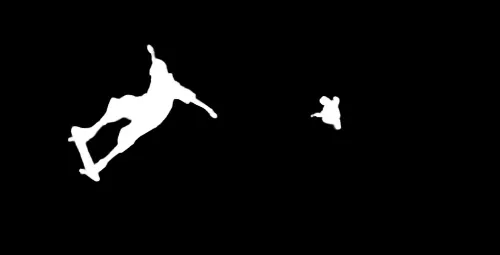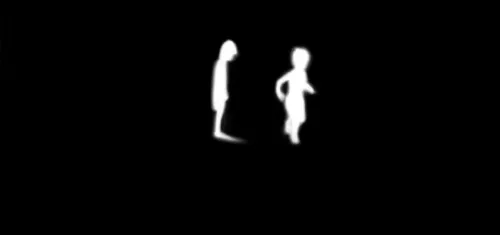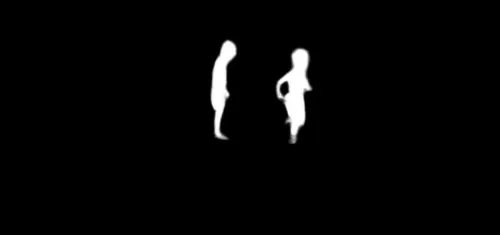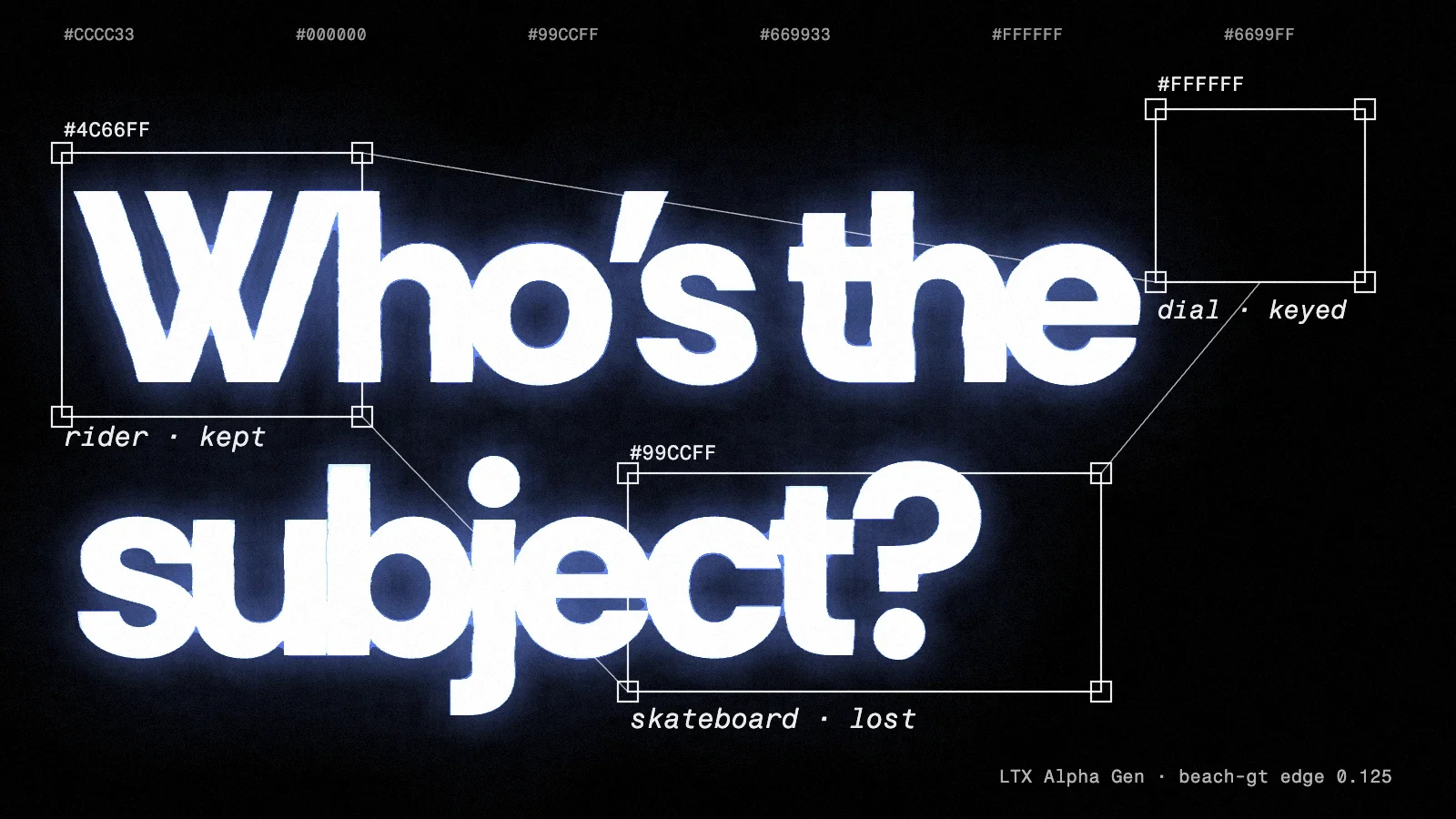
A zero-prompt matte model is only as useful as its choice of subject. This article goes through what Lightricks has published about LTX Alpha Gen, shows what happened when we ran it through our own matting benchmark, and sets out a short protocol for testing it on your own plates before you schedule work around it.
Method. Sources reviewed November 18, 2026. Measurements run November 12, 2026. Vinc did not fund or co-author anything by Lightricks. Our numbers come from a small interim benchmark and are labelled as such.
What this means for you
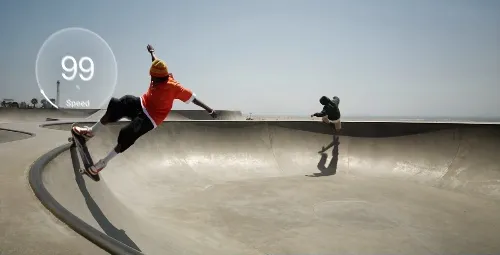
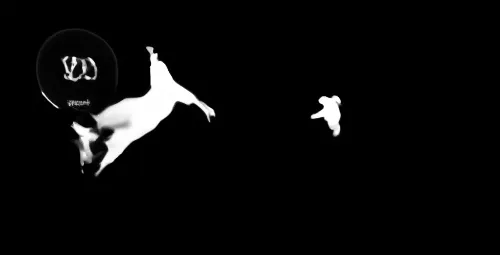
- Before you pay for any zero-prompt matte tool, run it on a busy plate first: two people, or a person holding a prop. In our test Alpha Gen kept a skateboarder and dropped the board, and you can't tell it which subject you meant.
- Use Alpha Gen for hair and fur inside a mask you draw yourself, not as your only matting step. It had the best edges on our real clip, but it can't pick the subject.
- Where two people or objects cross, don't expect any whole-frame matte tool to sort it out. Every one we tried scored about twice as badly as a plain hard mask there, so plan a manual roto or a per-object mask for overlaps.
- If the shadow has to move with your subject, plan another method. Alpha Gen gives no shadow in its matte.
- Cut long shots to a frame count of 8n+1 (for example 97, 121 or 145 frames) before upload, and check the join for a visible step.
What Alpha Gen is, and what the docs actually promise
Lightricks released Alpha Gen as open weights on 2 October, as the last drop of its VFX Week. It reached the LTX API on 10 November and fal on 17 November.
You give it an ordinary RGB clip and get back a grayscale alpha matte that matches the plate frame for frame, with no green screen, mask or prompt. Lightricks says it is built for the edges that usually break a key: hair, fur, smoke, fire, sheer fabric, glass and water. The API returns the matte plus a ProRes 4444 cutout with straight alpha.
Under the hood it is an IC-LoRA (a small add-on trained on top of a base model) on LTX-2.5 22B. The weights are gated on Hugging Face under the LTX-2.x Community License, which is free for commercial use below $10M annual revenue.