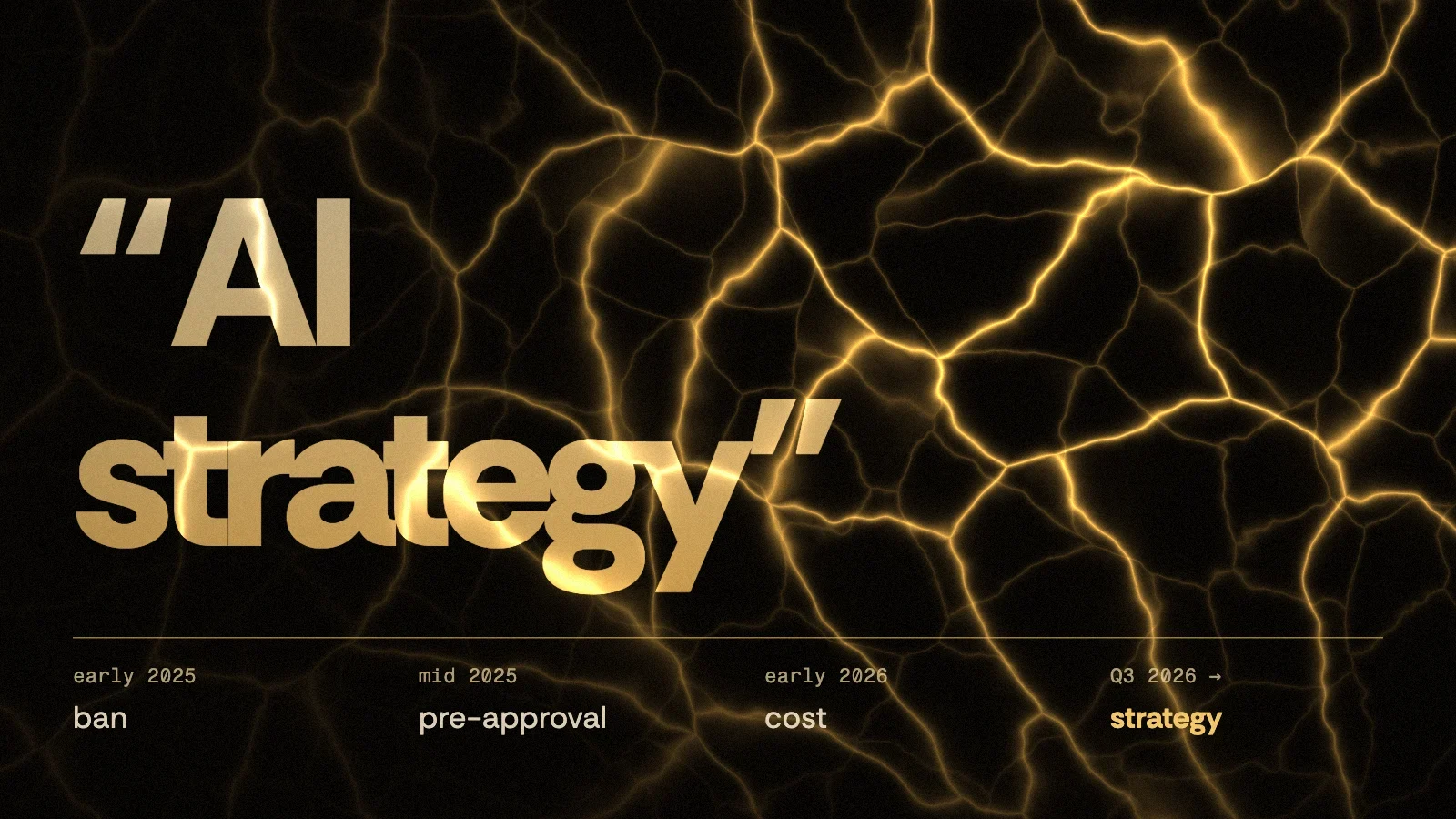
The studio gate on gen AI has moved from "ban or allow" to "show us your strategy". In practice, a strategy means you can say how each model was trained, where it runs, and how an artist stays in control on a long-form shot.
Method. Sources reviewed November 18, 2026. Vinc is a vendor that is asked these questions. We have reported what others said and have not verified their internal practices.
What this means for you
- If you pitch work to a studio or streamer, expect to be asked for an AI strategy. Be ready to say what each model was trained on, where it runs, and how you stay in control of the shot.
- Keep a simple record for every model you use: name, version, any LoRA, licence, and where it ran. Write it into the file metadata or a sidecar next to each export.
- Choosing open or closed models matters less than being able to document the one you picked. Companies in the same market made opposite calls and both can be defended.
- Prefer tools that let you revise just one region and adjust after generation, so a long shot doesn't have to be regenerated for every note.
- Have a fallback if a model is withdrawn, as one open fluid model was after its training clips turned out not to be licensed. Know whether you could re-run the shot on another model.
From ban to vendor requirement in under two years
Speaking in Taipei after the TAICCA / Moonshine partnership at TCCF, Wētā FX CEO Daniel Seah described how the big studios and streamers have shifted:
| Period | Studio stance on gen AI in vendor work |
|---|---|
| Early 2025 | Legal says no gen AI on our work |
| Mid 2025 | Allowed in some cases, with tight pre-approval |
| Early 2026 | Questions turn to cost |
| Q3 2026 onward | "If you don't have an AI strategy, don't bother" |
How Wētā FX is answering it
- In-house models, not a chat-style generator. Kimball Thurston said they are building world-capture and modification models.
- The artist harness comes first. The Moonshine work focuses on letting people refine long-form timelines, not 20-second clips.
- Outside models where clients allow them. They use Kling and Seedance, with hosting rules that keep those runs outside China.
- Pipeline fit. Sheldon Stopsack's point was that new tools still have to sit inside the existing pipeline, mocap included, with creative control at the end.
Provenance is becoming a file format
Thurston pointed to the open-source Rongotai Model Train Club. It tracks LoRA (small add-on models trained on top of a base model) and refinement training, writes usage into image metadata, and requires anyone defining a model to state which datasets were used. That lines up with work by the VES Technology Committee and MovieLabs.