Types of shots in film, from extreme close-up to extreme wide, plus establishing, master, two-shot and over-the-shoulder shots, defined from film textbooks.
Method. Definitions checked on 18 November 2026 against the LMU and LibreTexts open textbooks, American Cinematographer and Wikipedia; safe areas taken from SMPTE ST 2046-1:2009 and EBU R 95 v1.1, prompt wording from Google's video generation prompt guide. Vinc makes an AI film studio.
Writing an AI video prompt? See [Camera Language for AI Video Prompts](/blog/camera-language-for-ai-video-prompts) for the exact wording each model understands.
How to use this glossary
Types of shots in film are named by how much of the subject the frame shows (the shot size), by the job the shot does in a scene, and by who is in it. This is part 1 of a 10-part glossary; "In a prompt:" notes quote Google's video generation prompt guide (updated 17 November 2026) unless labelled our illustration.
Definitions use a standing person as the reference and come from the open textbook Video Production Handbook (LibreTexts, 8.1) and Wikipedia's "Shot (filmmaking)" unless noted. The LMU textbook No-Nonsense Filmmaking (2025) warns that "there is no standard shot size. It is always relative to the subject matter": a size describes framing, not lens or distance.
The same figure framed at each standard size, from extreme close-up to extreme wide shot.
Extreme close-up (ECU, XCU)
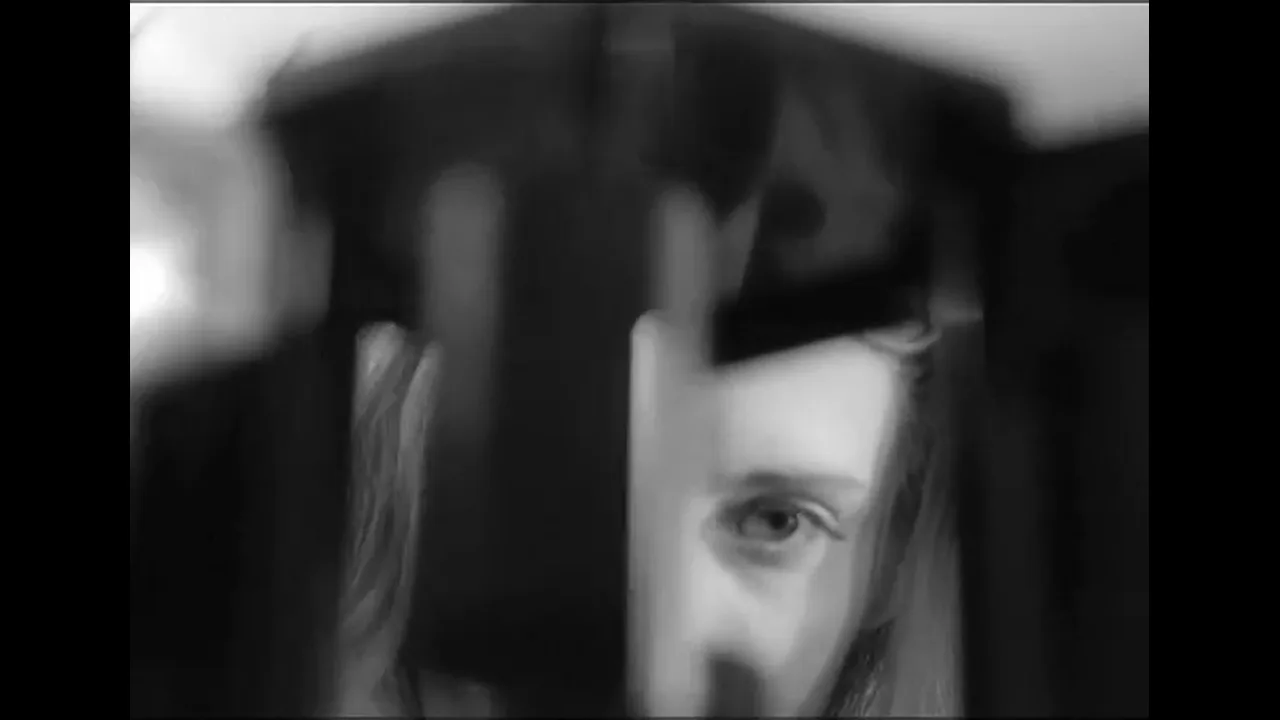
An extreme close-up "is so close to the person that it only shows a specific detail of their body" (Video Production Handbook). On a face, Wikipedia puts its edges at the chin and forehead; the tighter "Italian shot", "where only a person's eyes are visible," is named after Sergio Leone's Dollars Trilogy.
Extreme close-up
The frame holds little more than one eye, seen through a narrow gap.Night of the Living Dead (1968), George A. Romero. Public domain (US).
Grandma's Reading Glass (1900)
As Seen Through a Telescope (1900)
Two of the 1900 films named above. Left: a boy raises a magnifying glass and the film cuts to his grandmother's eye inside a round mask. Right: a man looks through a telescope and the cut shows a woman's ankle on a bicycle pedal, framed by the eyepiece.Grandma's Reading Glass (1900) and As Seen Through a Telescope (1900), George Albert Smith. Public domain (US).
Origin. One of the best claims to the first close-up belongs to George Albert Smith, using extreme close-ups by 1900 in As Seen Through a Telescope and Grandma's Reading Glass (Wikipedia, "Close-up").
Close-up (CU)
A close-up frames "a person from the tops of their shoulders to the top of their head" (Video Production Handbook), so the face and its expression become the subject. Wikipedia puts it as the size "where the shoulder line is visible."
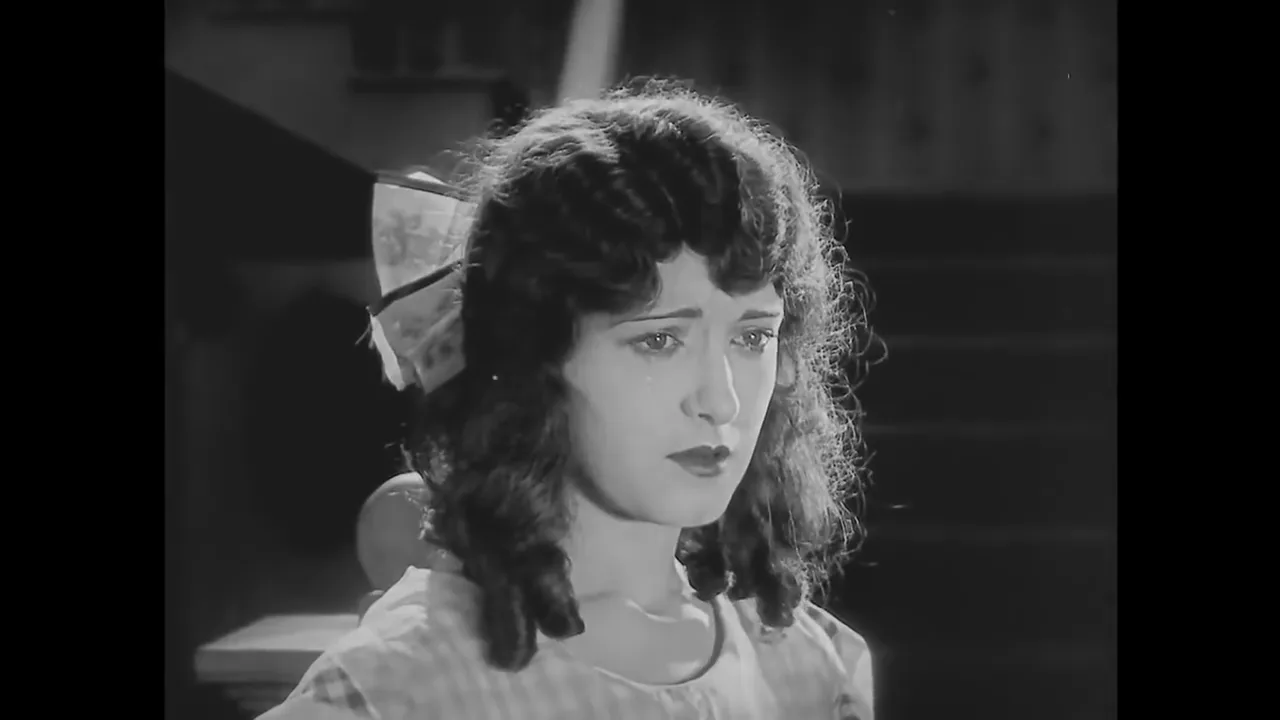
Close-up
Her head and the top of her shoulders fill the frame, so the expression is the subject.Sherlock Jr. (1924), Buster Keaton. Public domain (US).
Close-up
The wrench from The Lonedale Operator: the scene plays wide in the station office, then a close-up shows the tool held out like a pistol.The Lonedale Operator (1911), D. W. Griffith. Public domain (US).
Example. D. W. Griffith used a close-up of a wrench a character pretends is a gun in The Lonedale Operator (1911) (Wikipedia, "Close-up").
In a prompt: Google's guide: a close-up "frames the subject tightly, typically focusing on the face to emphasize emotions or a specific detail."
Medium close-up (MCU)
A medium close-up "is usually shot from the bottom of the sternum" to the top of the head (Video Production Handbook): the size "where more of the shoulder is visible than in the close-up," and the tightest that still shows posture.
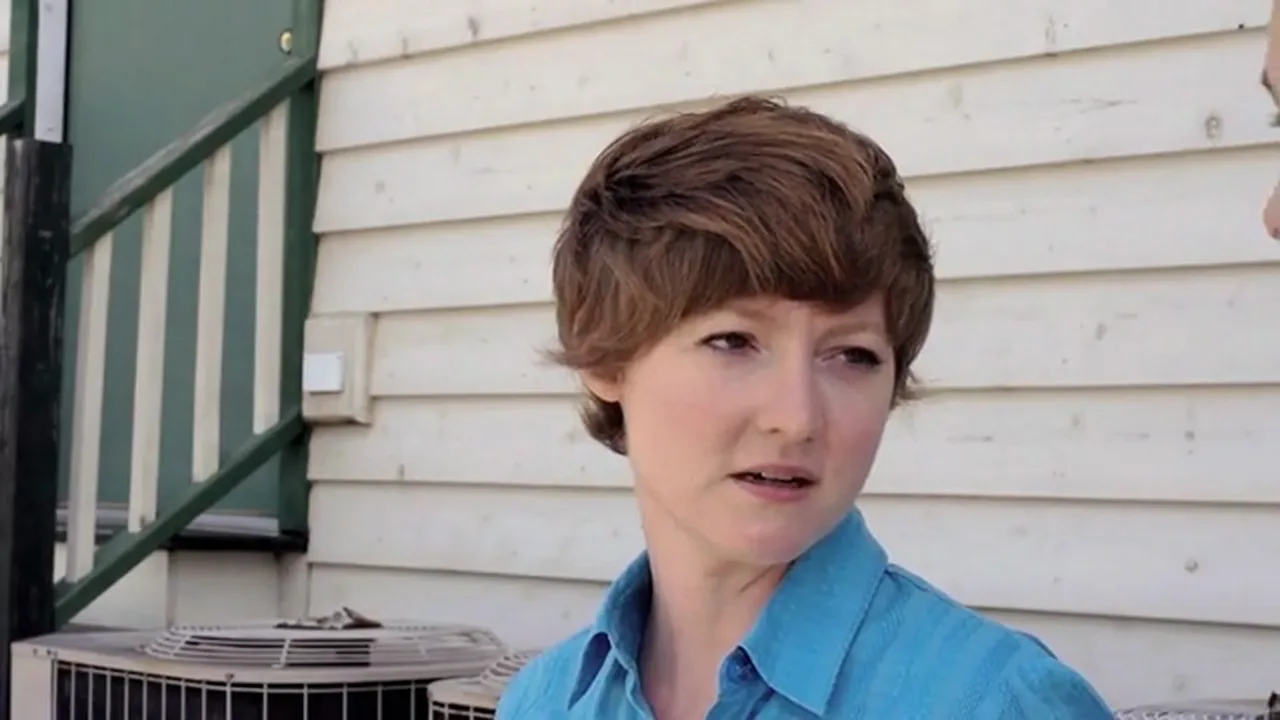
Medium close-up
The frame cuts at mid-chest, showing her face and a little of her shoulders and the wall behind.Still from A Sad State of Affairs (2009), M.A. Lanoue / Squire Films, CC BY-SA 3.0 US.
Medium close-up
The outlaw is framed from the chest up against a plain dark ground, raises his revolver and fires straight at the camera.The Great Train Robbery (1903), Edwin S. Porter. Public domain (US).
Medium shot (MS)
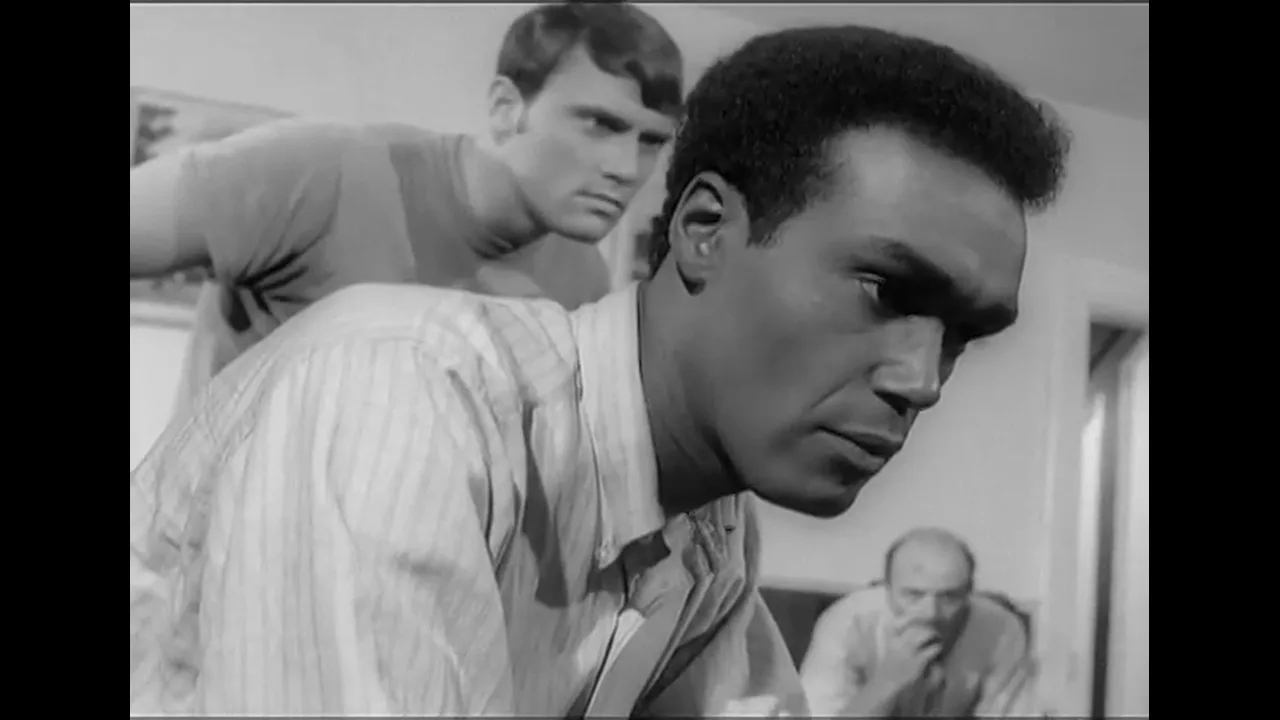
A medium shot "shows a person from their waist to the top of their head" (Video Production Handbook), with the frame stopping "either just above or just below the waist," leaving room for both face and posture.
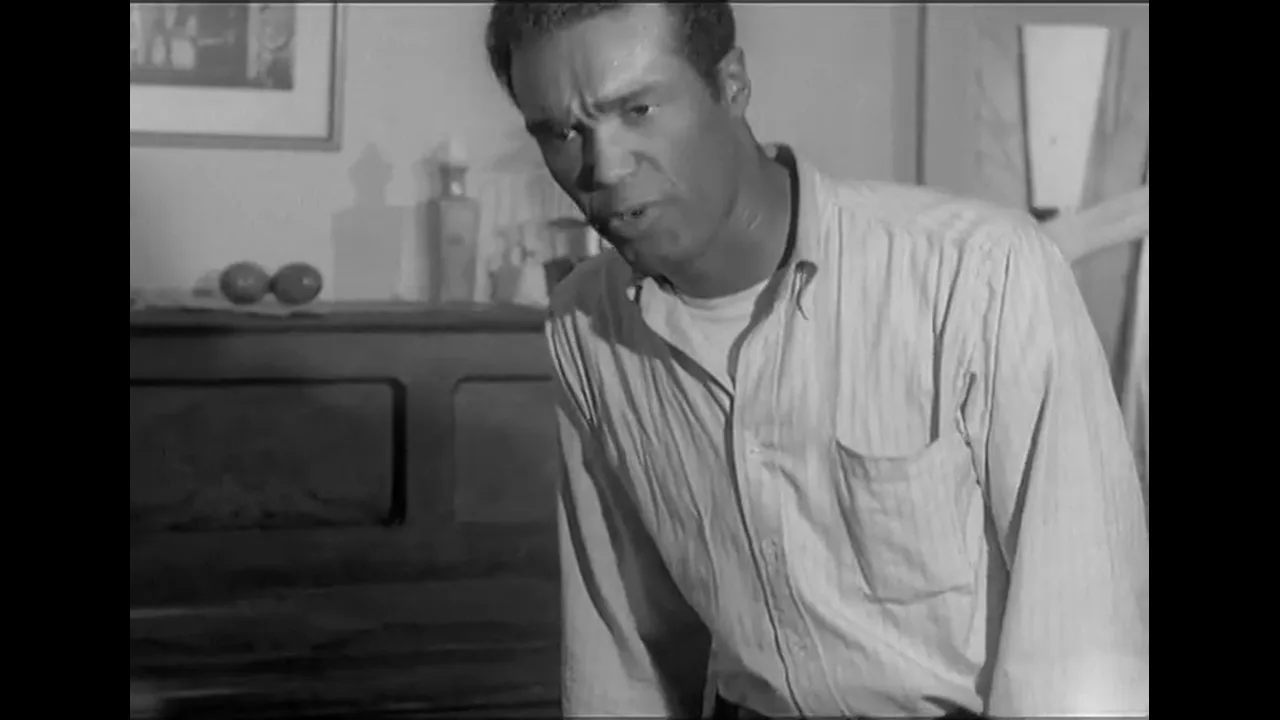
Medium shot
The frame stops around his waist, leaving room to read his posture as well as his face.Night of the Living Dead (1968), George A. Romero. Public domain (US).
In a prompt: Google's guide puts it at "approximately the waist up" and notes it is "commonly used for dialogue."
Cowboy shot, American shot (plan américain)
A cowboy shot is a medium-long shot that cuts off around the knees or mid-thigh: "It is the closest the camera can get to an actor while keeping both their face and their holstered gun in frame" (Wikipedia, "Cowboy shot"). Plan américain is the French critics' term.
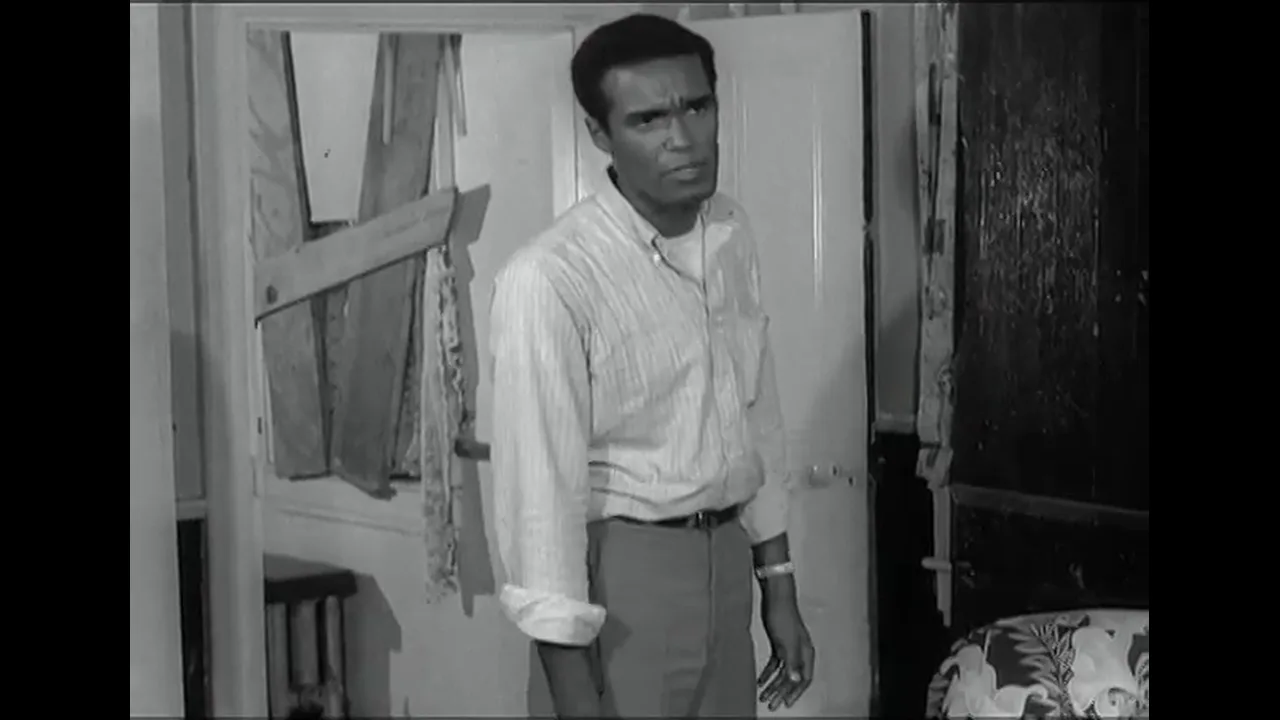
Cowboy shot
He is framed from about mid-thigh up, standing in front of a boarded doorway.Night of the Living Dead (1968), George A. Romero. Public domain (US).
In a prompt: Luma's published camera-angle list includes "Cowboy Shot".
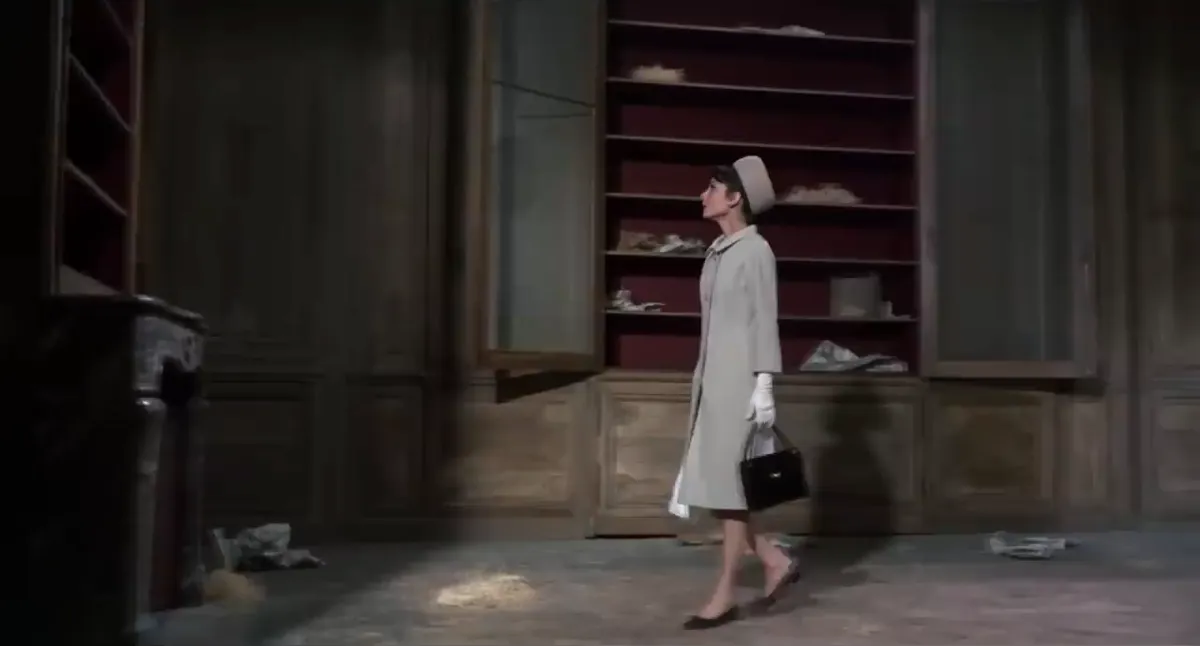
Full shot (FS)
A full shot shows the whole body, head to toe: the size "where the entirety of the subject is just visible within the frame" (Wikipedia). The Video Production Handbook folds it into the wide shot: "the full body of the person in the frame, but not as much surrounding."
Full shot
She is framed head to toe as she walks past the empty shelves, with her shoes just above the bottom of the frame.Charade (1963), Stanley Donen. Public domain (US).
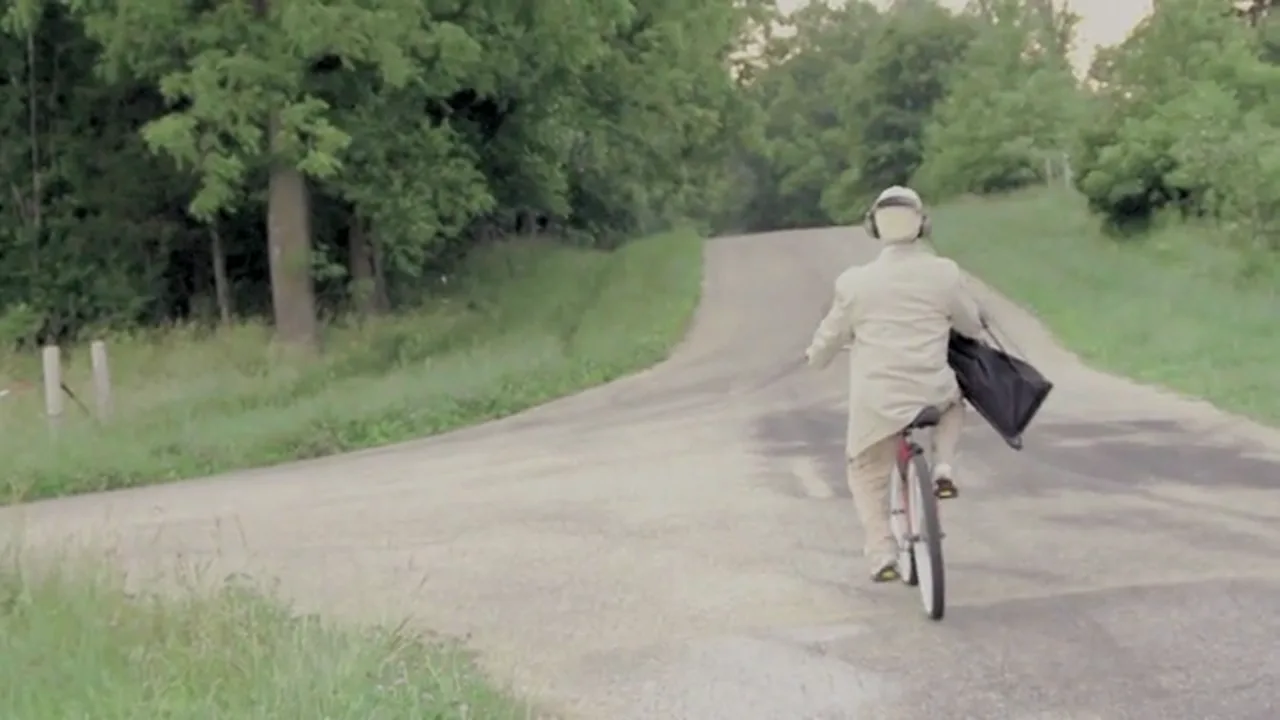
Wide shot, long shot (WS, LS)
A wide shot shows the subject together with its surroundings; LMU notes that "a wide shot can also be referred to as a long shot." It is the least consistent word in the scale, since some sources treat wide and full as one size.
Wide shot
The cyclist is seen whole, with the road and trees around him taking up most of the frame.Still from A Sad State of Affairs (2009), M.A. Lanoue / Squire Films, CC BY-SA 3.0 US.
Don't confuse "long shot" (framing) with "long take" (duration).
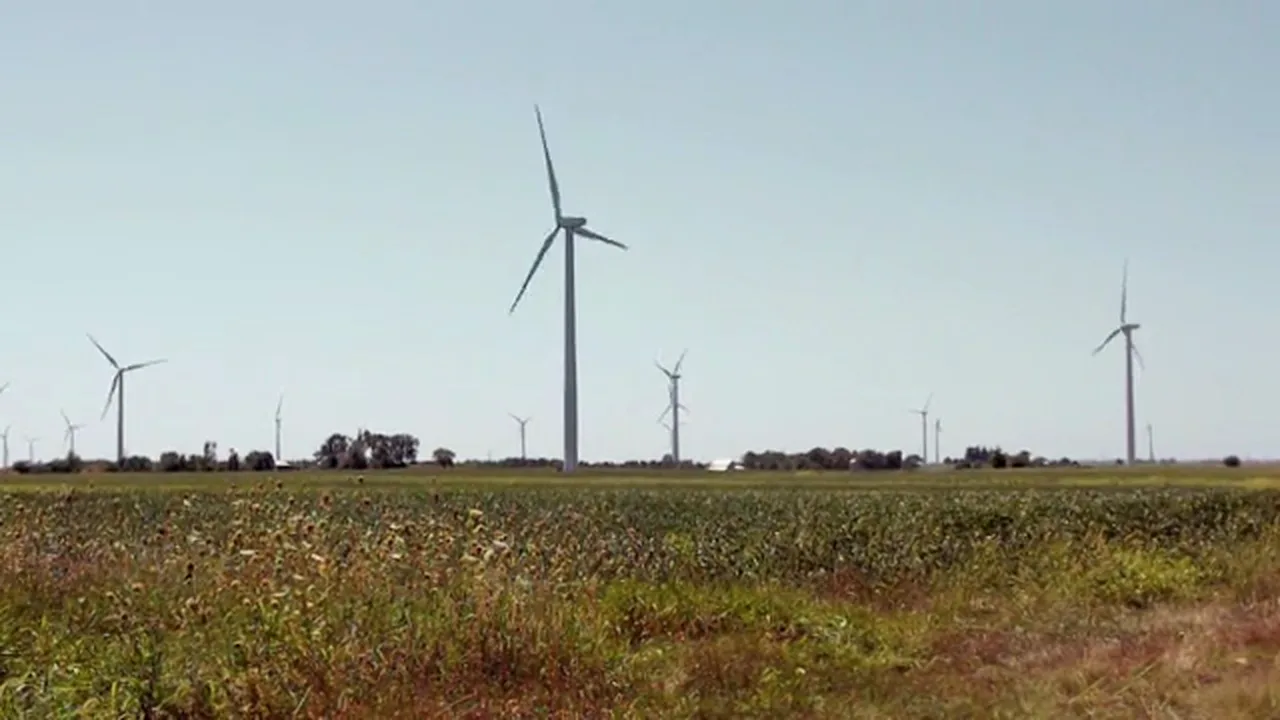
Extreme wide shot (EWS, ELS, XWS)
An extreme wide shot has "the full person in the frame along with a lot of the surrounding area" (Video Production Handbook), and these shots "do not always need to have a person in the frame." Wikipedia calls it the size "used for epic views and panoramas."
Extreme wide shot
Farmland and a line of wind turbines fill the frame. No person is needed for the shot to set a place.Still from A Sad State of Affairs (2009), M.A. Lanoue / Squire Films, CC BY-SA 3.0 US.
Extreme wide shot
Two locomotives chase across a valley. The trains are small against the field and hills, and the camera turns slowly to keep them in view.The General (1926), Buster Keaton and Clyde Bruckman. Public domain (US).
Size
Lower frame edge on a person
Source wording
ECU
Detail only (eyes, mouth)
"only shows a specific detail"
CU
Top of shoulders
"tops of their shoulders to the top of their head"
MCU
Bottom of sternum
"usually shot from the bottom of the sternum"
MS
Waist
"from their waist to the top of their head"
MWS / cowboy
Just above the knee
"from just above the knee"
FS
Feet, just inside frame
"entirety of the subject is just visible"
WS / LS
Feet, with surroundings
"full body ... but not as much surrounding" (as EWS)
EWS
Person small, or absent
"a lot of the surrounding area"
Types of shots that build a scene
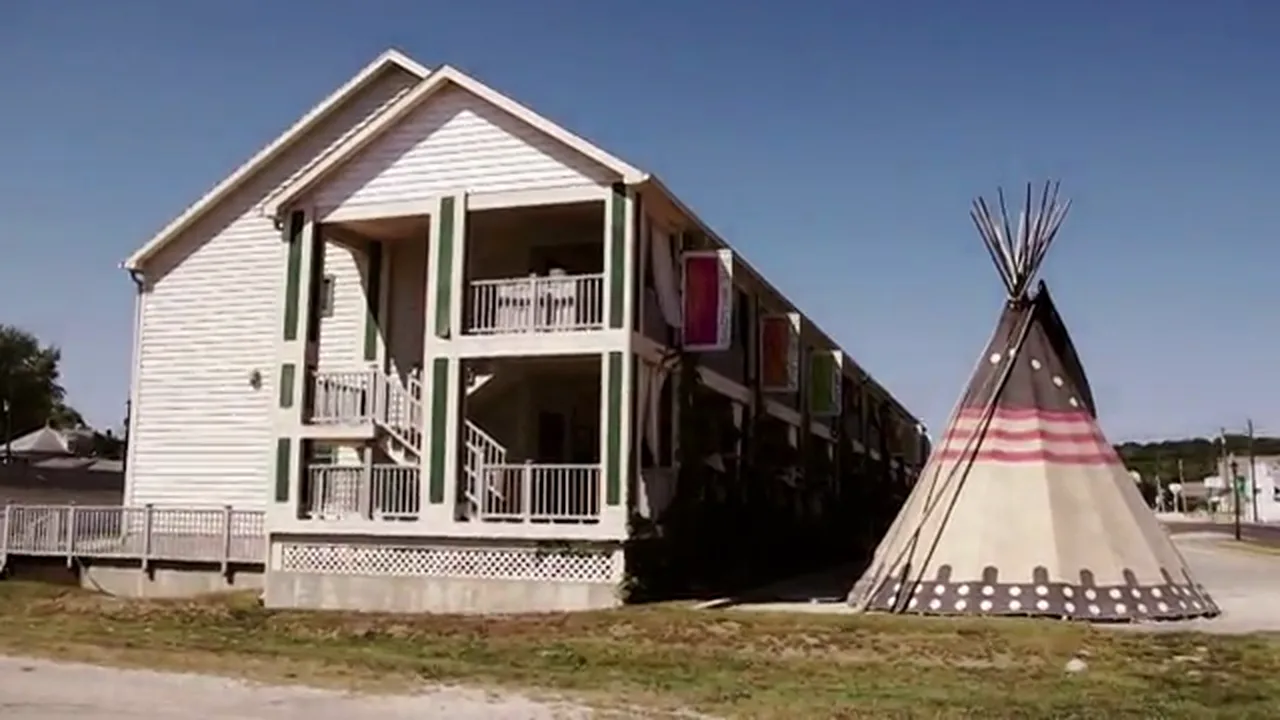
Establishing shot
An establishing shot "sets up, or establishes, the context for a scene by showing the relationship between its important figures and objects" (Wikipedia, "Establishing shot"). It is "generally a long or extreme-long shot at the beginning of a scene indicating where, and sometimes when," the scene takes place.
Establishing shot
A wide view of the motel sets the location before the scenes that take place there.Still from A Sad State of Affairs (2009), M.A. Lanoue / Squire Films, CC BY-SA 3.0 US.
Establishing shot
The first scene after the titles opens on a snowy Alpine valley, then the camera pans down to a restaurant terrace and finds Audrey Hepburn at her table.Charade (1963), Stanley Donen. Public domain (US).
It doesn't have to be wide: a pencil writing notes can establish a lecture hall.
In a prompt: Google's guide: "Wide shot or establishing shot: shows the subject within their broad environment, often used to establish location and context at the beginning of a sequence."
Master shot
A master shot is "a film recording of an entire dramatized scene, start to finish, from a camera angle that keeps all the players in view" (Wikipedia, "Master shot", citing Ascher and Pincus, The Filmmaker's Handbook). It is usually shot first and often doubles as the establishing shot.
Coverage
Coverage is every shot of a scene other than the master that the editor can cut to: "other shots that reveal different aspects of the action, groupings of two or three of the actors at crucial moments, close-ups of individuals, insert shots of various props" (Wikipedia, "Master shot").
Plan-séquence (sequence shot) and the long take
A long take, or "oner", is "a shot with a duration much longer than the conventional editing pace" (Wikipedia, "Long take"). A plan-séquence is a long take "that includes a full narrative sequence," usually a whole scene with no cut.
Rope (1948). Hitchcock's magazines held no more than 1,000 feet of 35 mm, so each take lasts up to about 10 minutes (Wikipedia).
Touch of Evil (1958). Opens with one continuous crane shot; Jay Holben's April 2024 American Cinematographer column says Welles and Russell Metty used a Chapman crane.
Goodfellas (1990). The "Copacabana shot" follows Henry Hill into a nightclub through the kitchen in one take.
Shots named by who is in them
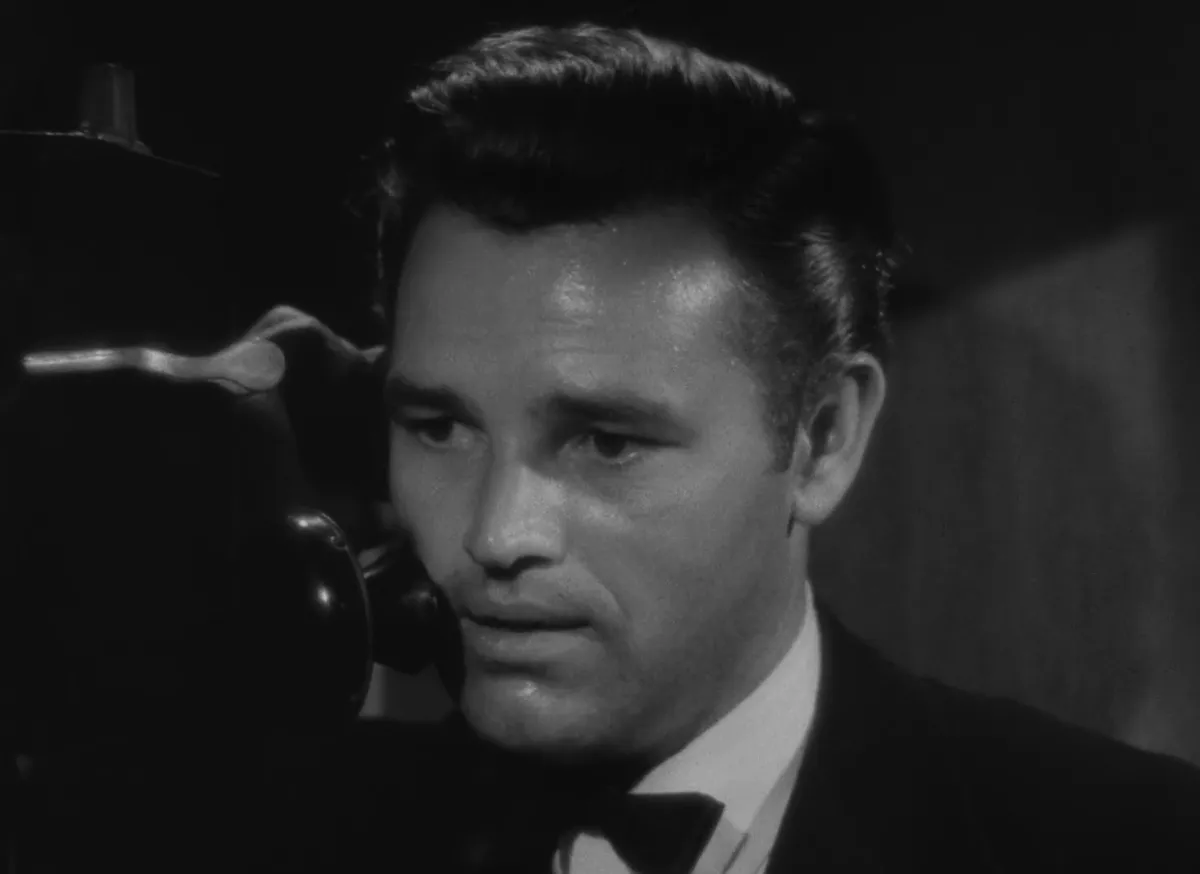
Single
A single is a "shot focused on one character" (HowToFilmSchool). A clean single has "no foreground obstruction"; a dirty single "includes a partial view of another character, usually a shoulder, head, or blurred profile, in the foreground."
Single
One man fills the frame on the telephone; only the dark edge of the handset shares the shot with him.Detour (1945), Edgar G. Ulmer. Public domain (US).
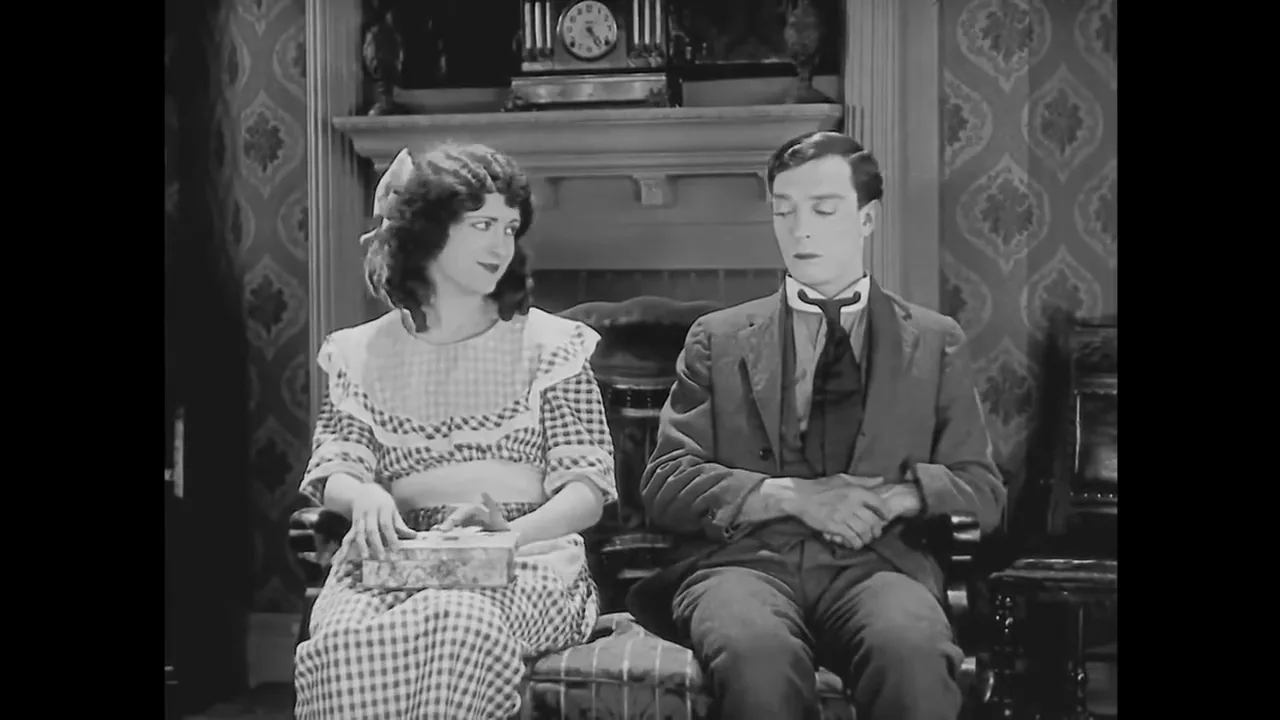
Two-shot
A two-shot is a shot "in which the frame encompasses two people" (Wikipedia, "Two shot"), side by side or one behind the other. The classic version uses "a medium lens, head to knees or closer". Variants:
Two-shot
Two people seated side by side on a sofa, framed together in one shot.Sherlock Jr. (1924), Buster Keaton. Public domain (US).
American two-shot. Two heads facing each other in profile.
Full two-shot. Both characters head to toe.
Close two-shot. Two heads in frame, shot on a long lens, often used for kisses or moments of great tension.
Two-shot
Cary Grant and Rosalind Russell sit side by side, framed from the knees up in one shot, so each reaction plays against the other without a cut.His Girl Friday (1940), Howard Hawks. Public domain (US).
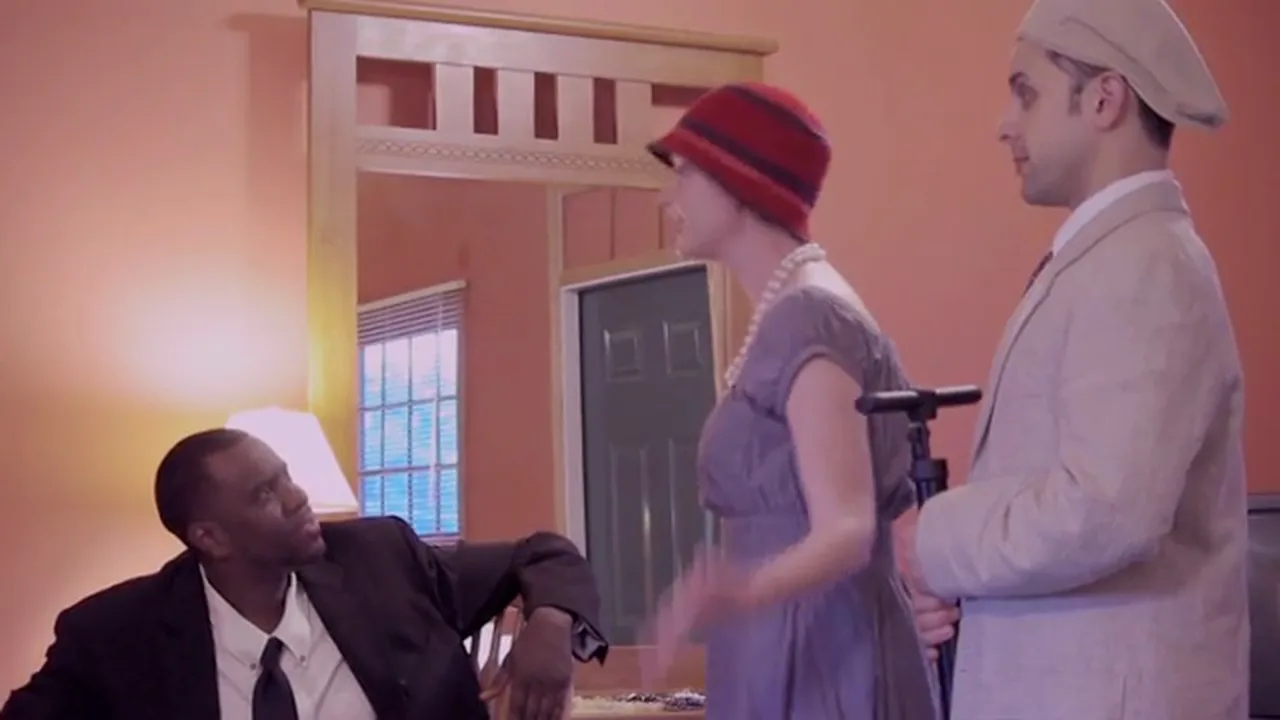
Three-shot
A three-shot extends the two-shot to a group: Wikipedia's "Two shot" article says "a three shot has three people featured prominently in the composition of the frame."
Three-shot
Three characters share the frame: one seated on the left and two standing.Still from A Sad State of Affairs (2009), M.A. Lanoue / Squire Films, CC BY-SA 3.0 US.
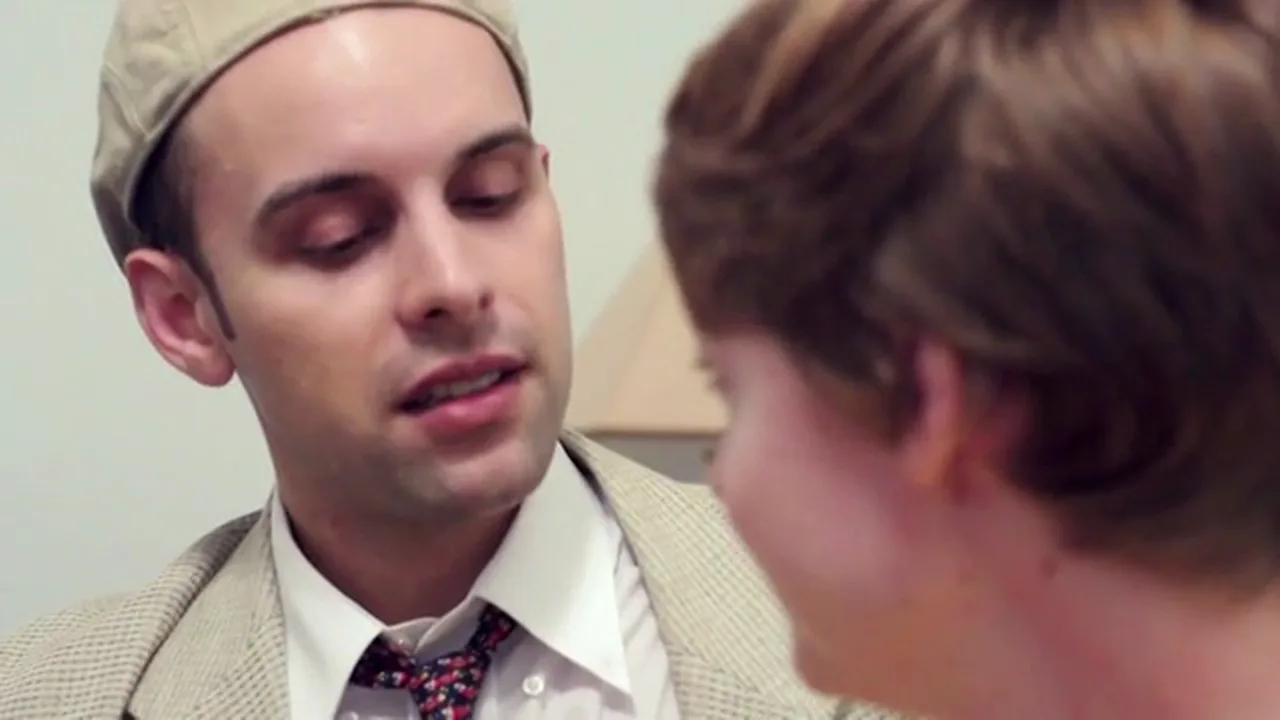
Over-the-shoulder shot (OTS)
The OTS is "a camera angle ... where the camera is placed above the back of the shoulder and head of a subject" (Wikipedia, "Over-the-shoulder shot"). OTS shots are usually cut as a pair in a shot/reverse shot sequence.
Over-the-shoulder
The camera sits behind her head, which fills the right of the frame, and looks at him as he speaks.Still from A Sad State of Affairs (2009), M.A. Lanoue / Squire Films, CC BY-SA 3.0 US.
OTS, then reverse
He is framed past the back of her hat and shoulder; the cut reverses the set-up, so she is seen past his shoulder. Cut together, the two OTS shots make a shot/reverse shot pair.His Girl Friday (1940), Howard Hawks. Public domain (US).
In a prompt: Google's guide: "frames the shot from behind one person, looking over their shoulder at another person or object, common in conversations."
Over-the-shoulder: the camera sits behind one character's shoulder and looks at the other.
Shots cut into a scene
Insert
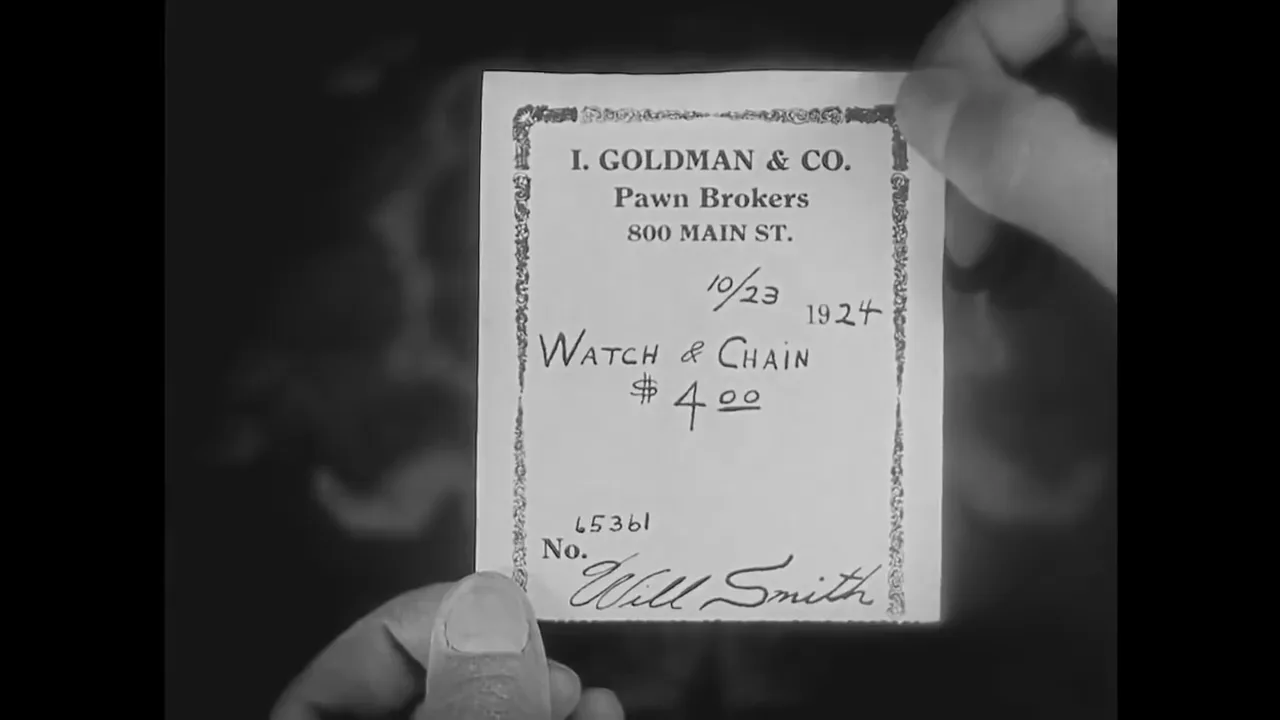
An insert is "a shot of part of a scene as filmed from a different angle and/or focal length from the master shot" (Wikipedia, "Insert (filmmaking)"). Inserts "cover action already covered in the master shot", such as a clock, a letter or an object in someone's hand.
Insert
A pawn ticket held up to the lens so the audience can read it.Sherlock Jr. (1924), Buster Keaton. Public domain (US).
Insert
A gloved hand raises a pistol on the crowded terrace. The insert, a tighter shot of the gun alone, makes sure the audience sees it before the cut to her face.Charade (1963), Stanley Donen. Public domain (US).
Cutaway
A cutaway is "the interruption of a continuously filmed action by inserting a view of something else," usually followed by a cut back to the first shot (Wikipedia, "Cutaway (filmmaking)"). Unlike an insert, it shows action not in the master; it is used to change pace or hide a cut.
Reaction shot
A reaction shot "cuts away from the main scene in order to show the reaction of a character to it" (Wikipedia, "Reaction shot"), usually as a close-up with no dialogue.
Reaction shot
He watches a television news report that is off screen. The shot is about his response, not the broadcast.Night of the Living Dead (1968), George A. Romero. Public domain (US).
It relies on the Kuleshov effect: viewers read different emotions into the same expressionless face depending on the shot before it (Wikipedia, "Kuleshov effect").
Space inside the frame
Headroom
Headroom is "the area from the top of the subject's head to the top of the frame" (Video Production Handbook, section 8.5). The eyes sit "ideally positioned one-third of the way down from the top of the frame" (Wikipedia, "Headroom"); too much creates "dead space".
Headroom is the gap between the top of the head and the frame line; with the eyes on the upper third line, it scales with shot size.
Lead room and nose room
Nose room "is the area in front of the subject of the shot." Lead room "is very similar to nose room but refers to a subject in motion" (Video Production Handbook, 8.5). Without it, "the car's progress will seem impeded" (Wikipedia, "Lead room").
Look room (looking room)
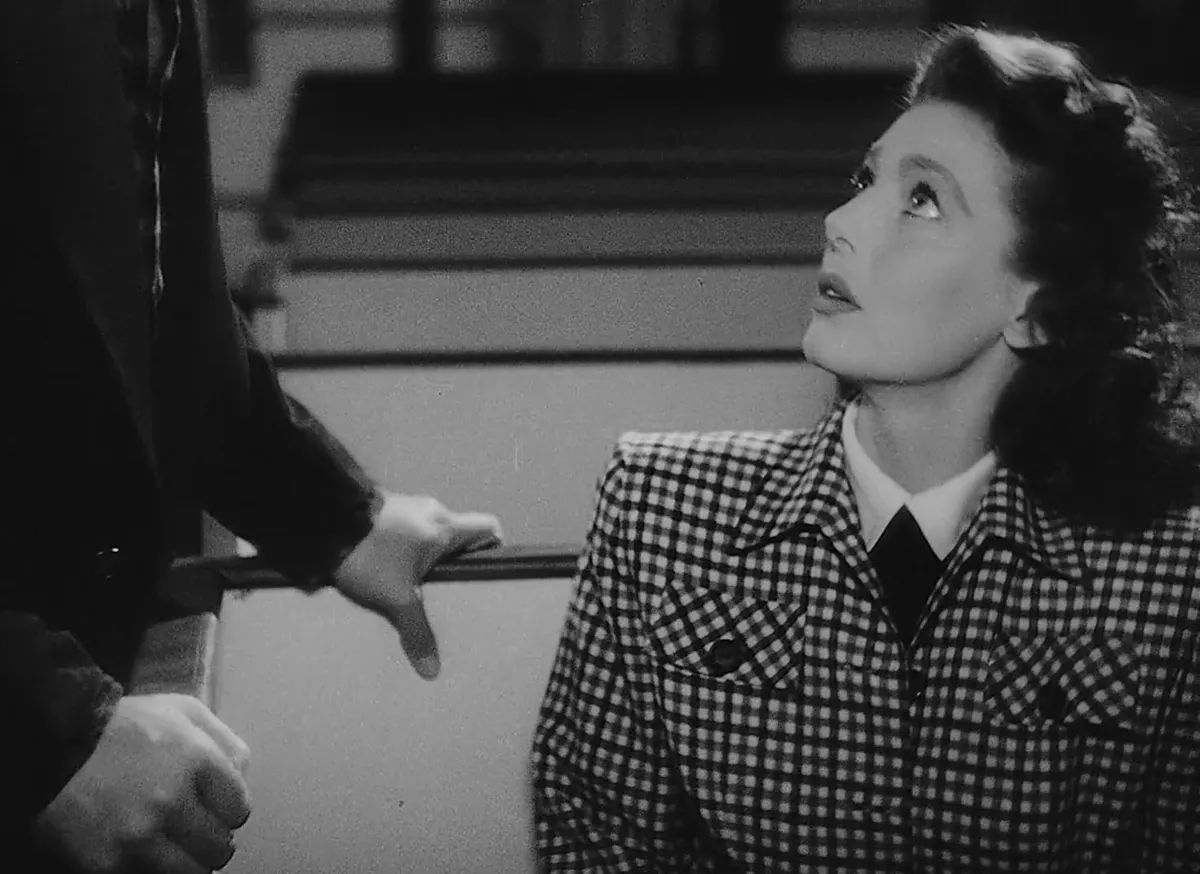
Look room is the space left on the side of the frame a subject is looking toward, the same idea as lead room applied to an eyeline rather than movement (Wikipedia, "Headroom"). In shot/reverse shot, each single leaves look room toward the other person.
Look room
She sits right of centre and looks up and to the left, and the frame gives that side of the picture to the man she is looking at.The Stranger (1946), Orson Welles. Public domain (US).
Lead room: leave more space on the side the subject faces or moves toward.
Frame within a frame
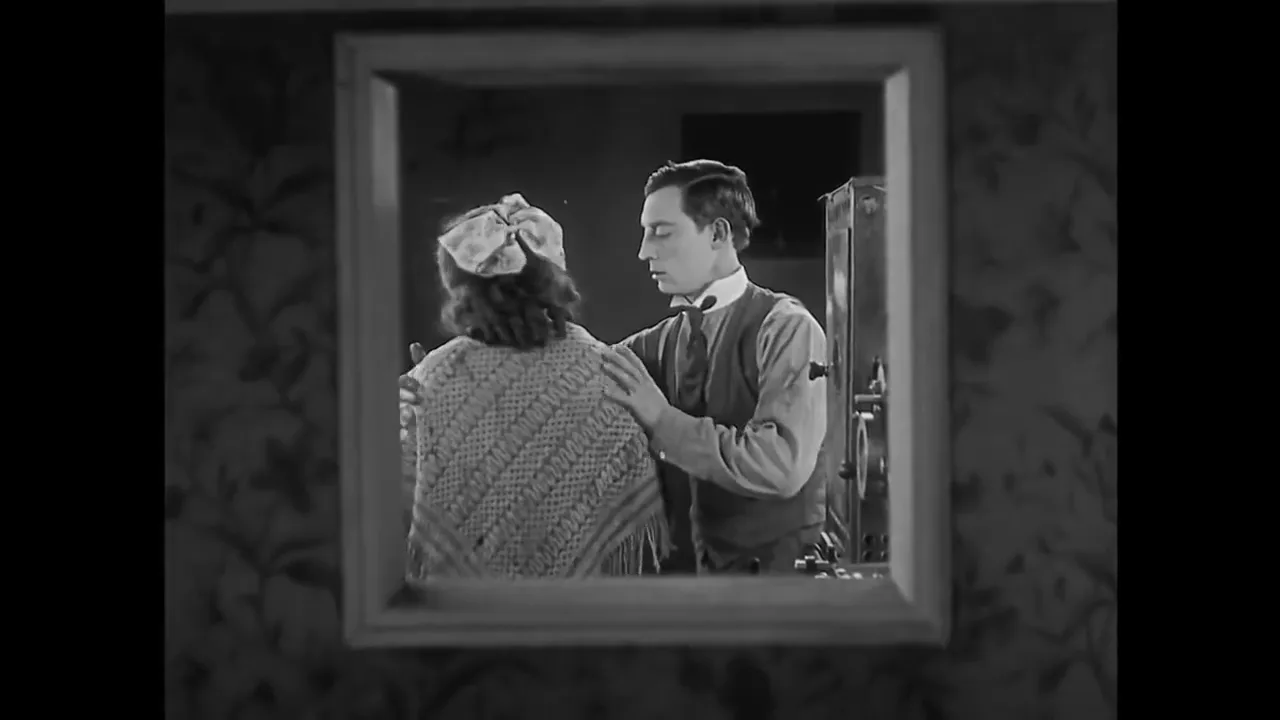
A frame within a frame uses something in the scene, such as a doorway, a window or a gap between foreground objects, to frame the subject a second time. Wikipedia's "Framing (visual arts)" says this "can add depth to an image."
Frame within a frame
The projection-booth window frames the couple a second time inside the film frame.Sherlock Jr. (1924), Buster Keaton. Public domain (US).
Safe areas: the standards
SMPTE ST 2046-1:2009 defines a safe area as "the area of the image that is certain to be seen by the vast majority of viewers in the home."
Action safe (safe action area)
Action safe is the rectangle inside which all important action should fall: 93% of the width and 93% of the height, centred (SMPTE ST 2046-1).
Title safe (safe title area, graphics safe)
Title safe is the rectangle inside which "all significant title information shall be contained": 90% of the width and 90% of the height. EBU R 95 (v1.1, June 2017) states the same as margins: "The action safe area is 3.5% and the graphics safe area is 5%, at the top, bottom and lateral parts of the image."
Raster
Action safe (93%)
Title / graphics safe (90%)
Source
1920 × 1080
1786 × 1004
1728 × 972
SMPTE ST 2046-1, section 5.1
1280 × 720
1190 × 670
1152 × 648
SMPTE ST 2046-1, section 5.2
3840 × 2160
3571 × 2009
3456 × 1944
Our arithmetic at the same percentages. EBU R 95 covers 2160p, but its figures are images we could not extract
US closed captions (CEA-708) still use the older 80% × 80% title-safe area from SMPTE RP 218.
In a prompt: keep text you plan to add over a generated shot inside the central 90% of the frame (our illustration).
How we compiled this
Shot sizes come from two open textbooks, checked against Wikipedia's articles on each shot type; examples from those articles and American Cinematographer. Safe areas come from the SMPTE ST 2046-1 and EBU R 95 PDFs (the 2160p row is our arithmetic), all checked on 18 November 2026. Vinc makes an AI film studio.
Aspect Ratios in Film Explained: 1.33 to 2.39 and 9:16, With the History and Delivery Specs
Aspect ratios in film are width divided by height. See where 1.375, 1.85, 2.39, 16:9, IMAX and 9:16 came from, and the containers cinemas and Netflix expect.