Vinc Research
Vinc Research is the Vinc blog's editorial byline: the Guides, the Filmmaking School and the Business of Film course, checked against official docs and dated.
Articles
The 180-Degree Rule in Film, and the Films That Break It on Purpose
The 180-degree rule in film keeps the camera on one side of the line between two people so their eyelines meet. How to cross it and five films that break it.
A24's Marketing Strategy: Every Documented Campaign, From Spring Breakers to Backrooms
A24's marketing strategy: spend less on TV and billboards, more on stunts, social media and fans. Every documented campaign, Spring Breakers to Backrooms.

AI Film Festivals and Competitions in 2026: Rules, Prizes, Deadlines and Entry Numbers
AI film competitions now range from $250 category prizes to a $450,000 grand prize, and the biggest reported field passed 8,000 films in 2026. This guide sets out what Runway, Reply, Astana, WAIFF, the Chroma Awards and smaller festivals publish about AI use, runtime, prizes and deadlines, and what the Academy now says about AI.
AI Filmmaking Tools in 2026, by Production Stage: Writing, Boards, Image, Video, Voice, Music, Edit and Upscale
AI filmmaking tools by production stage, from script and storyboards to video, voice, music, edit and upscale, each with its official price as of 18 Nov 2026.
AI Influencer Marketing for Films: M3GAN, Tilly Norwood and Ex Machina Compared
AI influencer marketing for films, from the closest documented cases: M3GAN's chatbot, Tilly Norwood's AI persona, Ex Machina's Tinder profile and the rules.

AI Music for Film: Suno, Udio and Other Generators on Licences, Ownership, Lawsuits and Cue Sheets
Whether an AI-generated track can go in your film depends on the plan you made it on, whether the terms exclude film and TV, and whether anyone can own it at all. This guide compares the published terms of Suno, Udio, ElevenLabs Music, Stable Audio and AIVA, sets out the label lawsuits as reported, and explains what US copyright law and North American PRO rules mean for your cue sheet.
AI Storyboard Generator From Script: The Workflow, the Tools and Their Prices, and the Pitfalls
How an AI storyboard generator turns a script into boards: what a panel needs, a script-to-shot-list workflow, Boords and LTX Studio prices, and the pitfalls.

AI Video Editors in 2026, Compared on Price, Limits and Export Specs
The useful way to compare AI video editors is by what each plan lets you export and how far its AI allowance goes, not by feature lists. This article sets the published prices, credit allowances, export ceilings and watermark rules of seven editors, plus our own studio, side by side; it does not test output quality or speed.
AI Video Generation Models Compared: Duration, Resolution and Price per Second
Per-second list prices for current AI video models span roughly 19 times, and the same model can cost very different amounts depending on the provider. This article normalises published specs and prices for eleven models to dollars per second at 1080p or the nearest tier; it does not measure output quality or how many attempts a usable shot takes.

AI Voice and Dubbing Tools for Filmmakers: Prices, Languages, Consent and Union Rules
AI voice tools can narrate, clone and dub a film for a few dollars a minute, but the licence and consent rules decide what you can actually release. This guide compares ElevenLabs, HeyGen, Rask AI, Descript and others on published prices and terms, and sets out what SAG-AFTRA, Equity and recent US state laws require.
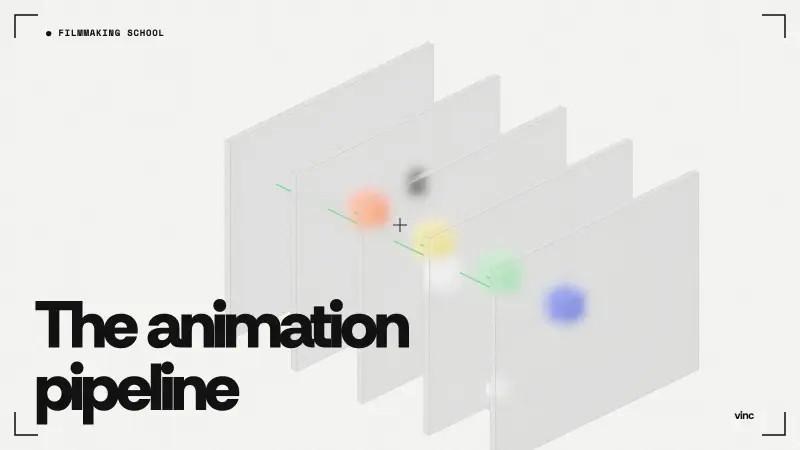
The Animation Pipeline Explained: Story Reels, Rigging, Layout, Blocking, Splining, Lighting and Rendering
The animation pipeline is the fixed order a feature is built in: story, art, modelling, surfacing, rigging, layout, animation, simulation, lighting, rendering.

Aspect Ratios in Film Explained: 1.33 to 2.39 and 9:16, With the History and Delivery Specs
Aspect ratios in film are width divided by height. See where 1.375, 1.85, 2.39, 16:9, IMAX and 9:16 came from, and the containers cinemas and Netflix expect.
Atmosphere, Light Quality and Texture: Hard vs Soft Light, Haze, God Rays, Rain and Practicals
Haze, god rays, rain, moonlight, neon, crushed blacks and wet streets each describe something physical: particles in the air, the sun's angle, a gas's emission lines, a black point or the angle at which water reflects. This article defines each term with figures from meteorologists, physicists, manufacturers and cinematographers, then shows how the Google, LTX, Luma, Kling and Runway prompt guides phrase it.
How Much an Oscar Campaign Costs, What the Academy's Rules Allow, and What It Returns
How much does an Oscar campaign cost? Reported budgets run from about $10 million for a Best Picture winner to $60 million for Roma. Plus the Academy's rules.

Film Rights to a Book: How Options and Adaptation Rights Work, With Case Studies
To get the film rights to a book you usually option it first: about $10,000 a year buys the right to purchase later. With It Ends with Us, Dune and The Martian.
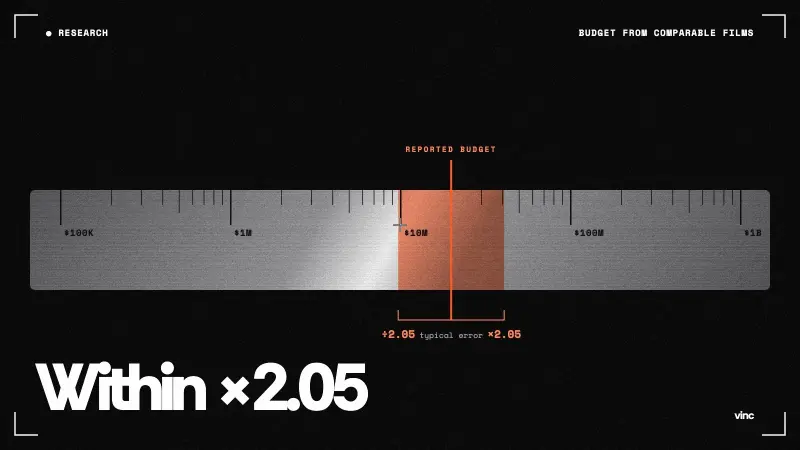
Estimating a Film's Budget From Comparable Films: Within ×2.05 on 79 Unseen 2026 Releases
Vinc's comparable-film budget range was typically within ×2.05 of the reported budget on 79 unseen 2026 films, beat our previous model and an industry-median guess, and its 80% range held for 76% of films, 87% on mid-budget titles.

Building a Showreel: What Studios Say They Want, From Length to Shot Breakdown
Framestore, Sony Pictures Imageworks, Pixar and Digital Domain all put a published ceiling on reel length of two or three minutes, and Framestore says the average reel it sees runs about 45 seconds. This guide collects what studios themselves publish about reel length, order, shot breakdowns and hosting, and leaves out advice that only appears on course sellers' blogs.

Camera Language for AI Video Prompts: Shot Sizes, Lenses and Moves, With Sources
Video model guides lean on film vocabulary, but the same words can mean different things across docs, and a focal length means little without a sensor size. This article gives textbook definitions of shot sizes and camera moves, computes field of view for common lenses on full frame and Super 35, and maps each term to the model docs that list it.

Camera Sensor Sizes Explained: Cinema Cameras, Crop Factor and What 'Shot on Alexa' Actually Means
Camera sensor sizes compared, Super 16 to IMAX: makers' own dimensions, the crop factor formula, and why format changes depth of field but not perspective.
Casting Explained: Breakdowns, Self-Tapes, Callbacks and What Union Actors Cost
The casting process for film runs from a breakdown to a self-tape, callback, chemistry read, avail and offer. Each round explained, with SAG-AFTRA's tape rules.
Character Design for Film: Profiles, Look Sheets, Locations as Characters and Keeping Them Consistent
Design a film character in two passes: who they are and how they look. Build a look sheet and a location sheet, then keep both consistent across every shot, live action or AI.

Composition in Film: Rule of Thirds, Headroom, Lead Room, Depth Staging and the Long Take
Composition in film is how the frame is arranged; staging is what moves in it. The rule of thirds, headroom, lead room, Dutch angles, deep focus and long takes.
Consistent Character AI Video: Reference Images, Kling Elements, Runway References, Seeds and LoRAs, From the Docs
How to get a consistent character in AI video: reference limits for Runway, Kling, Veo and Omni, prompt habits, seeds, LoRAs, and consent rules for real faces.

Continuity Editing Grammar: Match Cuts, Jump Cuts, the Kuleshov Effect and Cross-Cutting
A match cut joins two shots that look alike; a jump cut looks like one shot with a gap. Examples from 2001 and Breathless, plus Kuleshov and cross-cutting.

Costume and Wardrobe Continuity: Who Does What, Bibles, Multiples and Breakdown
Costume continuity keeps a character's look identical across weeks of out-of-order shooting. Who does it, plus the breakdown, continuity bible and multiples.
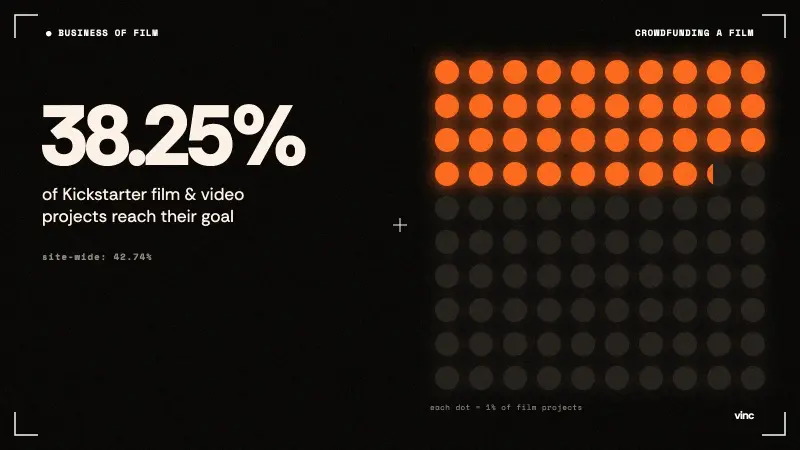
Crowdfunding a Film: Success Rates, Platform Fees, Record Campaigns and What a Raise Really Nets
Crowdfunding for film: 38% of Kickstarter film campaigns succeed and most raise under $10,000. Platform fees, record campaigns and what a $50,000 raise nets.

Diffusion Steps Aren't the Bill: Where a Video Model's Render Time Actually Goes
Cutting our removal model from 50 sampling steps to 4 took a pass from about 210 seconds to 45 with no measured loss in quality, but the last 45 seconds was fixed VAE and text-encoder work that fewer steps can't touch. This article shows where the time went on one clip and when steps do matter.
Directing Actors: Objectives, Result Direction, Rehearsals, Marks and Eyelines
Directing actors means giving them something to play: an objective that is a verb, not a result. The acting and set terms, from beats to marks and eyelines.
Film Terms, Visualised (14/10+): Disney's 12 Principles of Animation, and How They Apply to Live Action and AI Video
Disney's 12 principles of animation with examples, from squash and stretch to appeal, each mapped to camera work, After Effects easing and AI-generated video.
Documentary Terms Explained: Nichols' Six Modes, Vérité, Releases, Fair Use and Archive
Nichols' six documentary modes are poetic, expository, observational, participatory, reflexive and performative. Plus vérité, releases, fair use and archive.
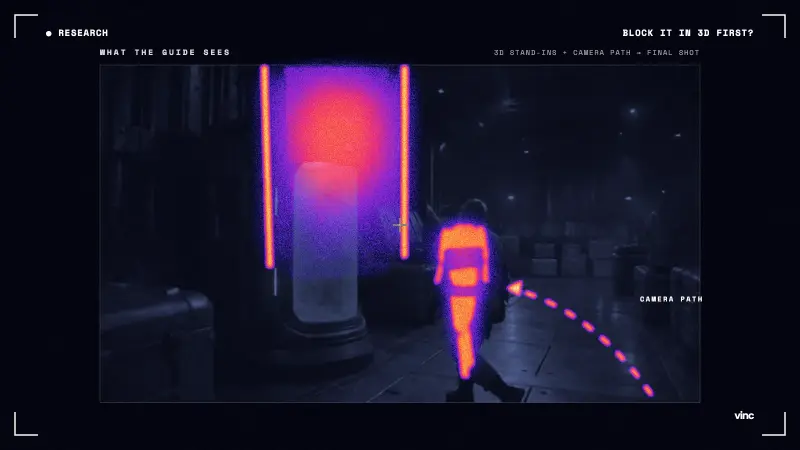
Should You Block Your AI Shot in 3D First? We Shot Four Scenes Three Ways
A fuller 3D blocking won the two shots that depended on space (a rooftop leap and a walk to a cryo-pod), a rough blocking with plain stand-ins won the two framing-led shots, and generating straight from a keyframe never won but never failed and was cheapest per second. Picture quality was about equal throughout; what the 3D guide changed was the camera, and the video model copied the guide's mistakes too. It was one take per method per genre, judged by us, so treat it as a strong hint rather than proof.
Editing Gaussian Splats With Code: Instant, Local, and Limited by Selection
We recoloured, deleted and moved parts of two Gaussian splat scenes with one- and two-line transforms in Chrome, and measured how fast the edits ran and whether anything outside the selected region changed. The edits took about 20 ms and stayed local, but a box selection cut straight through the butterfly's body, which shows that choosing the splats is the hard part.
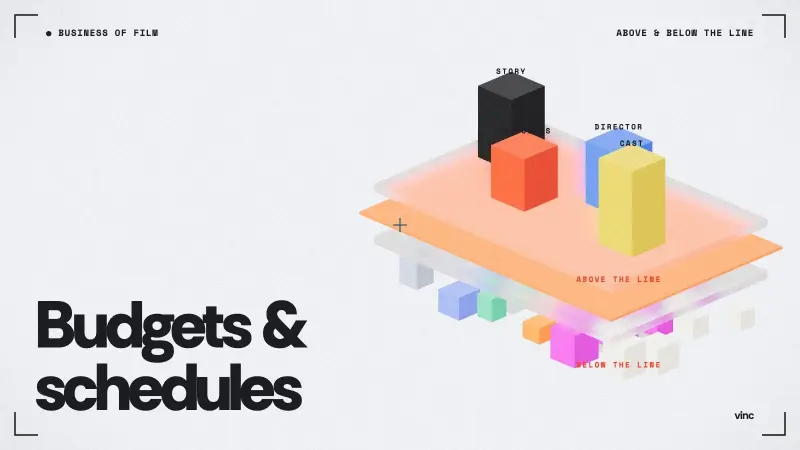
Film Budget Breakdown and Schedules: Above/Below the Line, Contingency, Insurance and Union Tiers
A film budget breakdown: above the line 16–26%, production 56–74%, post 7–13%, plus a 10% contingency, an example top sheet and the 2026 union tiers.

The Film Development Process: From an Idea to a Script Someone Will Pay For
The film development process: options, WGA screenplay minimums from $61,990, how many spec scripts sell, and the odds at the Black List, Sundance and Nicholl.

Film Festivals, Sales Agents and Markets: How Films Actually Get Sold
What a film sales agent does and costs (about 19% in one survey), how Cannes, EFM and AFM markets work, Sundance's odds, and what festival films sold for.
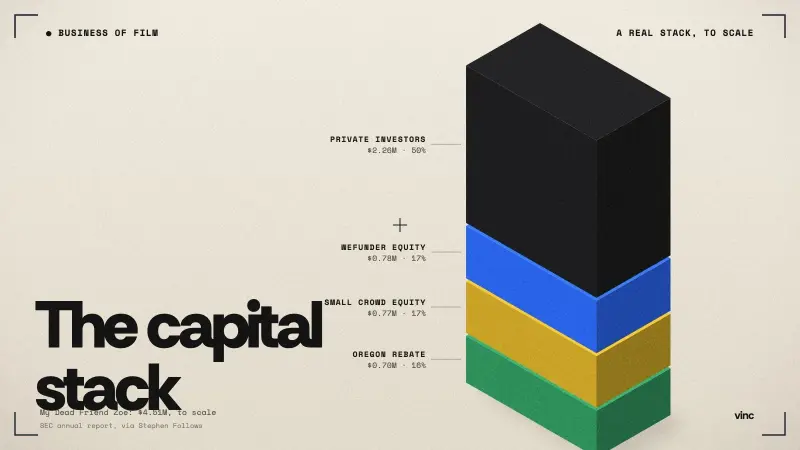
How to Finance a Film: Equity, Debt, Gap, Tax Credits, Grants and Crowdfunding Explained
How to finance a film: stack equity, tax credits, pre-sales, loans, grants and crowdfunding. With 2026 incentive rates, loan costs and who gets repaid first.
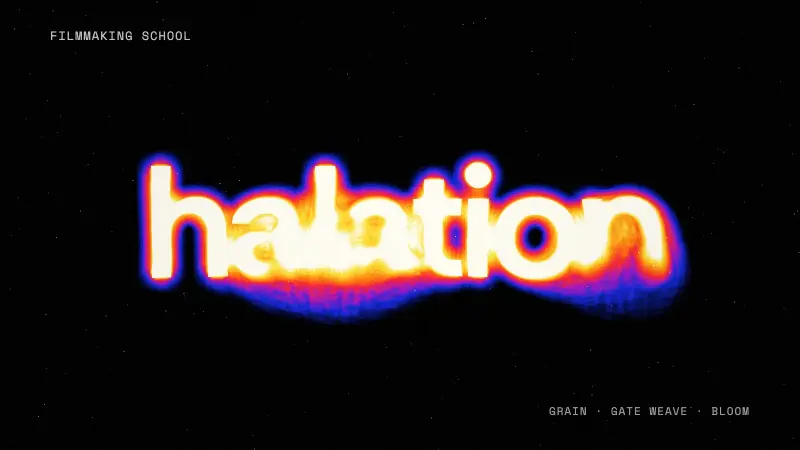
Film Grain, Halation and Gate Weave: What the 'Film Look' Is Made Of
The film grain effect is clumped dye clouds, heavier in shadows and faster stocks; halation is a red halo from light bouncing off the film base. Both explained.

How to Build a Film Pitch Deck, Lookbook and Treatment: What Funders and Festivals Actually Ask For
What goes in a film pitch deck? The logline, synopsis, treatment, lookbook, budget and finance plan that nine funders, labs and markets actually ask for.
Film Release, Marketing and Distribution: P&A, Release Patterns and the Long Tail
How film marketing and distribution work: P&A from about $10M to $170M, platform vs wide release, trailers, streaming data, residuals and library value.
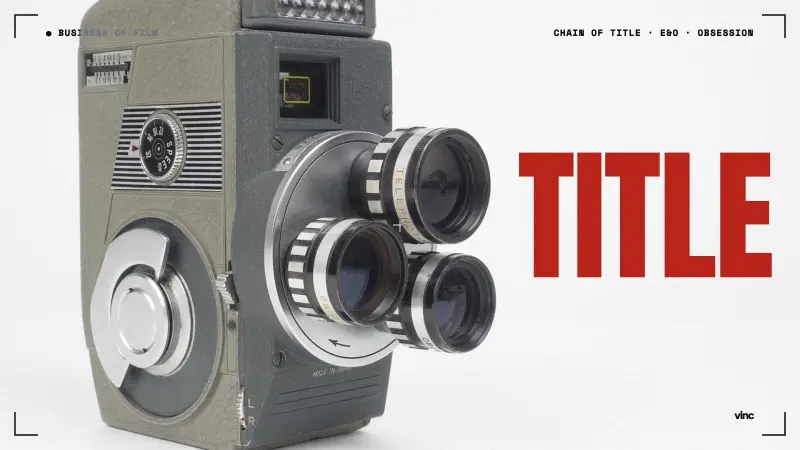
Chain of Title in Film: Who Owns a Film, Life Rights, Music and E&O, With the Obsession Deal as a Case Study
Chain of title in film is the paper trail from idea to finished picture. What buyers check before paying: options, music, E&O, and the Obsession deal.

Film Terms, Visualised (2/10): Types of Camera Angles and Point of View
Types of camera angles in film, from eye level, high and low to bird's-eye, worm's-eye, Dutch and POV, with sourced film examples and video-prompt wording.

Film Terms, Visualised (3/10): Types of Camera Movement and the Rigs Behind Them
Types of camera movement, from pan, tilt and dolly to the dolly zoom, and the rigs behind them: crane, Technocrane, Steadicam, gimbal, drone and motion control.
Colour Grading Terms Explained: Scopes, Lift Gamma Gain, What a LUT Is, Log, ACES and Looks
Color grading terms defined, from scopes and lift, gamma, gain to what a LUT is, log footage, gamuts, ACES, PQ and HLG, and teal-and-orange, each with its number or standard.

Film Terms, Visualised (8/10): Film Editing and Post-Production Terms
Film editing and post-production terms, from dailies and picture lock to conform, DI, DCP and IMF, plus J-cuts, L-cuts and montage, with the spec behind each.
Film Terms, Visualised (5/10): Exposure and the Digital Image, Explained
Exposure explained: stops, the exposure triangle, EI, dynamic range, false colour, log vs Rec.709, bit depth, chroma subsampling and codecs, in numbers.
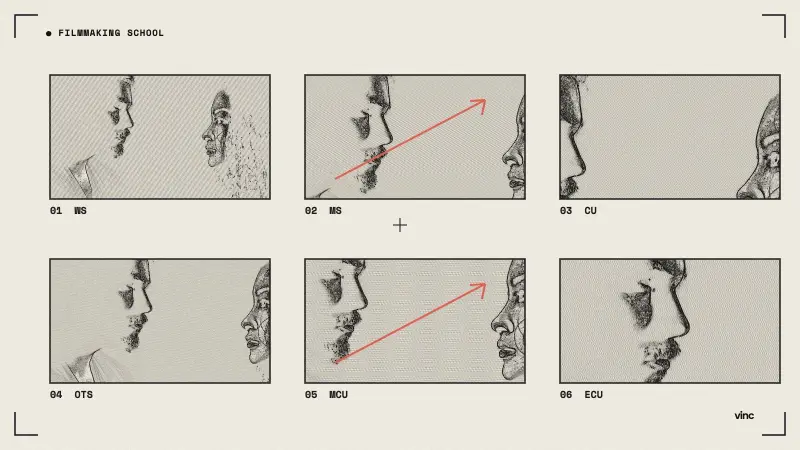
Film Terms, Visualised (1/10): Types of Shots, Shot Sizes and Framing
Types of shots in film, from extreme close-up to extreme wide, plus establishing, master, two-shot and over-the-shoulder shots, defined from film textbooks.

Focal Length and Camera Lens Terms Explained: Angle of View, T-Stops, Depth of Field and Anamorphic
Focal length explained, with angle of view for seven lenses on full frame and Super 35, then every camera lens term: T-stops, depth of field, bokeh, anamorphic and filters.
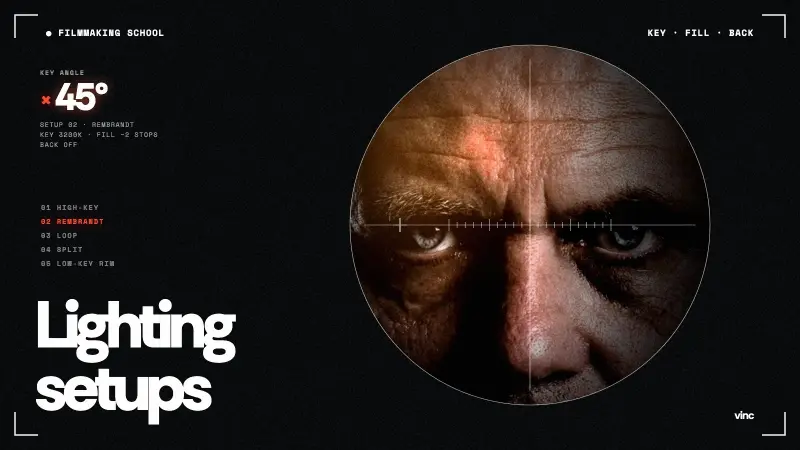
Film Terms, Visualised (6/10): Film Lighting Terms Explained: Three-Point, Rembrandt, Key and Fill, Hard vs Soft Light and Colour Temperature
Film lighting terms explained: key, fill and back light, lighting ratios in stops, Rembrandt, loop, butterfly and split, hard vs soft light, gels, practicals, colour temperature, CRI and golden hour.
Film Terms, Visualised (12/10+): Motion Graphics and Compositing Terms (After Effects)
Motion graphics terms as Adobe defines them: comps, precomps, nulls, parenting, easy ease, track mattes, blending modes and alpha, through to ProRes 4444.
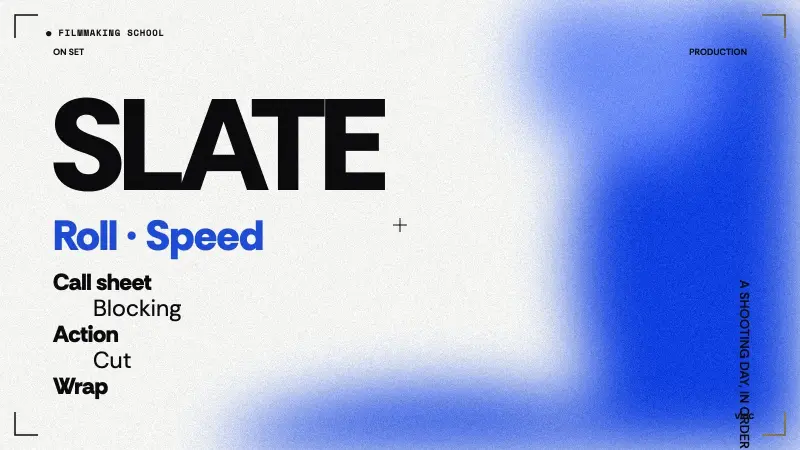
Film Terms, Visualised (10/10): Film Set Terminology, Production and Crew Roles
Film set terminology defined, from greenlight and call sheet to roll, speed, action and the Abby Singer, plus what the UPM, 1st AD, gaffer and best boy do.

Film Terms, Visualised (7/10): Film Sound Terms
Film sound terms defined: boom, lav, room tone, timecode, ADR, Foley, walla, stems, M&E and loudness, from EBU R 128's −23 LUFS to Netflix's 48 kHz spec.
Film Terms, Visualised (9/10): Visual Effects (VFX) Terms
VFX terms explained: plates, mattes, roto, keying, matchmove, render passes, HDRI, LiDAR and the LED volume, each defined from the documents productions use.
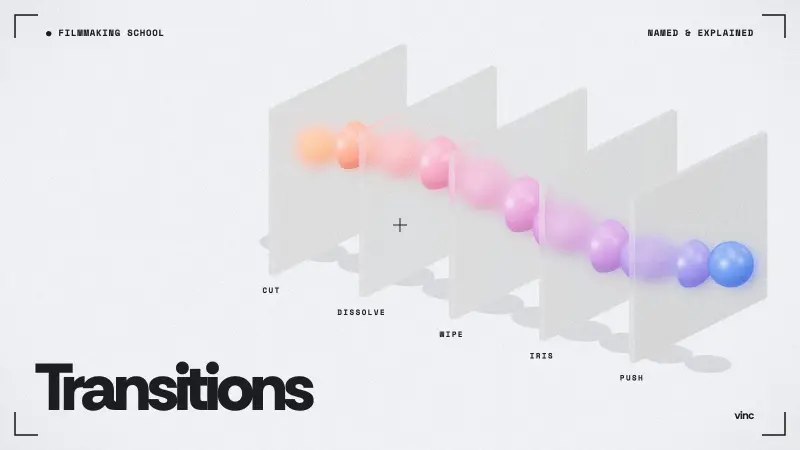
Film Terms, Visualised (13/10+): Types of Transitions in Film Editing, Named and Explained
Types of transitions in film editing, from the hard cut to the glitch: where each came from and what it tells the audience, with Rope, 1917 and the first wipe.
Shutter Angle vs Shutter Speed, Frame Rate and Motion Blur: The Numbers Behind the Film Look
Shutter angle vs shutter speed: at 24 fps a 180° shutter means 1/48 s. The formula, where 24, 25, 29.97 and 23.976 fps came from, and flicker-free settings.
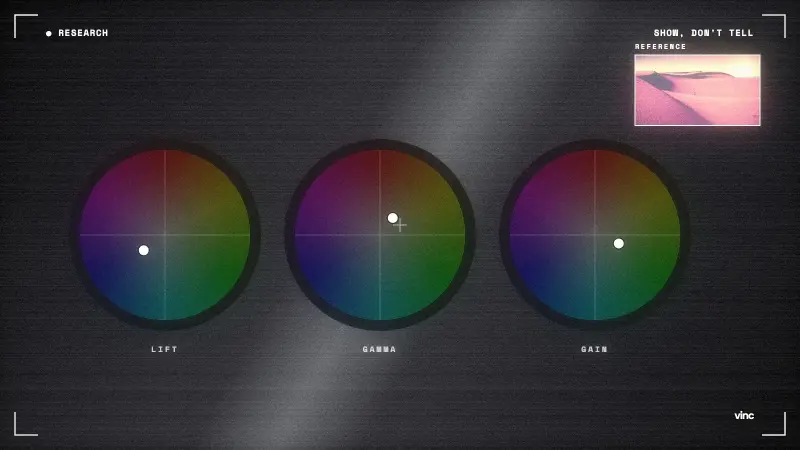
Grading to a Reference Frame: Why Showing Beats Describing for AI Colour
Matching a shot to a reference frame got within 10.0 ΔE of a colourist's grade on 18 Tears of Steel shots, against 17.7 when the look was described in words, and our best grading agent reached 13.4 against 19.2 for no grade. This article reports the agent designs, the judge calibration and the mask tests; it's a small test against one film's colourist.
How Do Independent Films Make Money? Windows, Waterfalls, Presales and Minimum Guarantees
How do independent films make money? In a fixed order of release windows, with cinema, distributor and marketing paid first. Reported fees, MGs and sale prices.
How to Add Sound to a Short Film: Room Tone, Ambience, Foley, Music, a Simple Mix and Export Settings
Build a short film's soundtrack in layers: room tone, ambience, Foley and effects, then one music cue. Mix it simply, check loudness, and export with the right settings.
How to Become a Filmmaker in 2026: Paths, Skills, Money and the Technical Notes You Need
There is no single route into filmmaking, but the pay, the competition and the cost of each route in are all published. This guide sets out BLS job data, official film-school prices, Sundance's 2026 submission numbers, union entry rules, YouTube's payout figures and the AI rules now in force, then gives a technical curriculum in shooting order; it does not rank schools or promise outcomes.
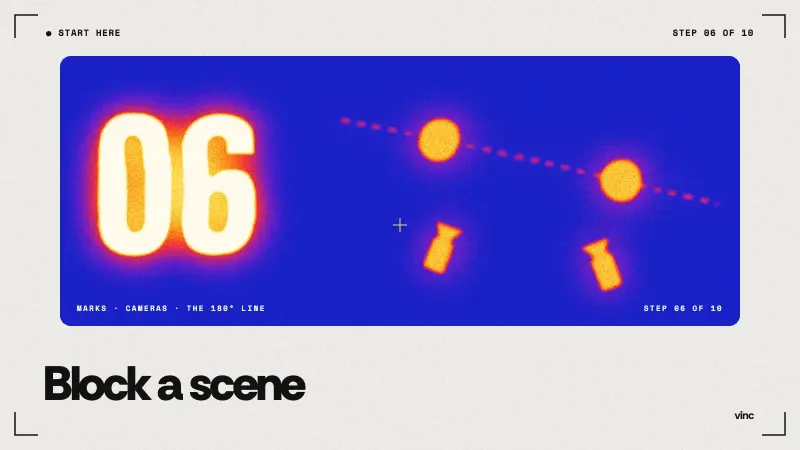
How to Block a Scene: Actor Marks, Camera Positions, the 180° Line and an Overhead Plan
Block a scene before you shoot or generate it: where actors start, move and end, where each camera goes, and the 180° line, all drawn on one overhead plan.
How to Edit a Short Film: Assembly, Cutting for Story and Rhythm, Match on Action, J and L Cuts, and Trimming to 60 Seconds
Edit a short film in three passes: an assembly, a cut for story and rhythm, then match on action, J and L cuts and frame trims until it runs exactly 60 seconds.
How to Find a Film Idea and Build a Mood Board: Research, References and Three Reference Films
Find a one-minute film idea, research it, and build a mood board from film stills, paintings and photos. Then name three reference films and say what each one is for.
How to Generate Consistent AI Shots: Keyframes, Motion Prompts, Takes and Selects, and a Credit Budget
Turn a shot list into consistent AI shots: a still per shot from locked references, motion-only prompts, takes and selects, and a credit budget for a one-minute film.
How to Make a Shot List: Size, Angle, Movement, Lens Feel and Timing for a 60-Second Film
Make a shot list for a one-minute film: the columns you need, lens feel in plain words, coverage for 8–12 shots, timings that add up to 60 seconds, and spare shots for the edit.
How to Make an AI Film: A Step-by-Step Guide From Script to Festival, With Real Costs
How to make an AI film, from script and reference frames to shot list, generation, edit, sound, festivals. Free-tier limits and costs checked 18 November 2026.

How to Make an AI Trailer: Three-Act Structure, Pacing, Title Cards, Sound and AI Trailer Maker Prices
How to make an AI trailer from trailer research: the two-minute limit, three-act proportions, title cards, hits and risers, workflow and tool prices.
How to Make an AI Music Video: Beat Map, Shot List, Generation, Lip-Sync and Real Prices
How to make an AI music video, from clearing the track to a beat map, shot list, generation, lip-sync and cutting to the beat, with published tool prices.
How to Prompt AI Video Models: What the Official Guides From Google, OpenAI, Runway and Kling Actually Say
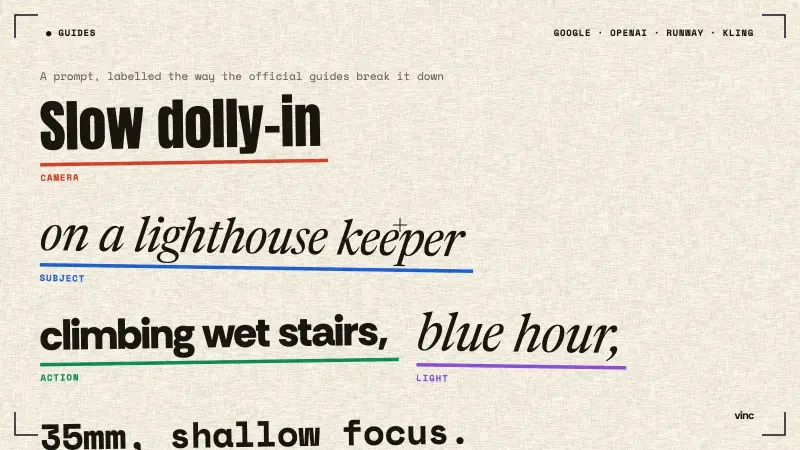
The official prompting guides from Google, OpenAI, Runway, Kling, Luma, LTX and MiniMax agree on a few things, such as concrete description and motion-only prompts for image-to-video, and openly contradict each other on negative phrasing, dialogue quotation marks and prompt shape. This article puts the guides side by side in one table, quotes what each actually says, and rewrites one shot for each model's rules.
How to Start AI Filmmaking: Skills, a First One-Minute Film, Free Courses and Festivals
How to start AI filmmaking: the film skills to learn first, a one-minute first project on free credits, tools by stage, official free courses and festivals.
How to Storyboard a Short Film: Thumbnails, One Panel per Shot, Movement Arrows and a Timed Animatic
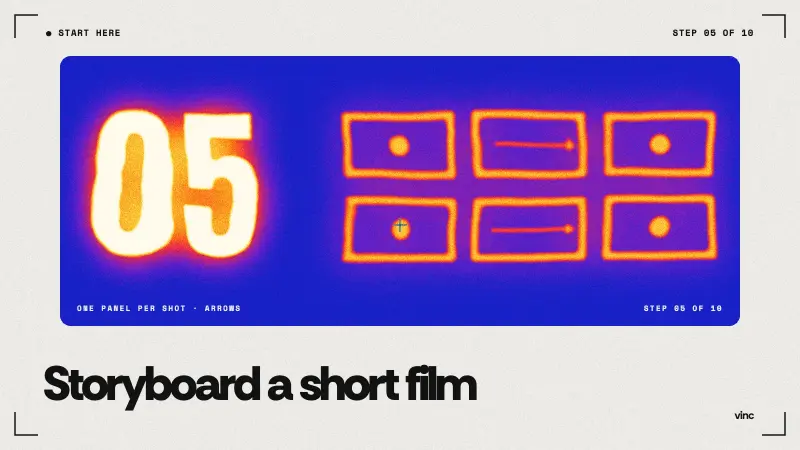
Storyboard a short film in an afternoon: thumbnails first, one panel per shot, arrows for movement, stick figures welcome. Then time the panels into an animatic.
How to Structure a One-Minute Film: One Idea, One Turn, and a 60-Second Beat Sheet
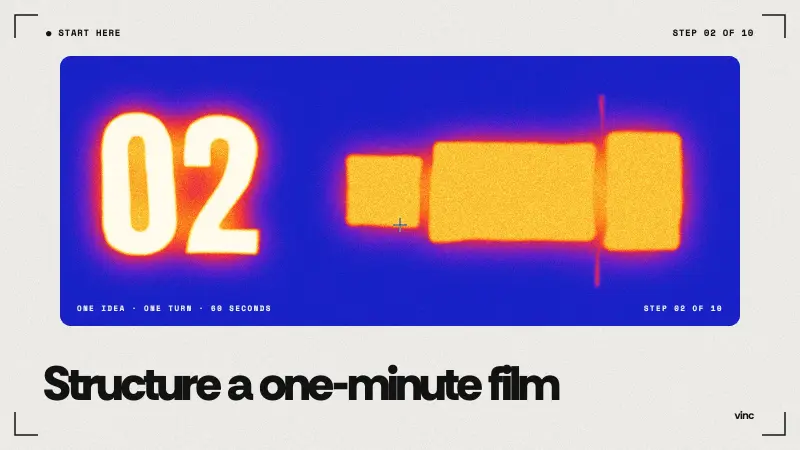
A one-minute film has room for one idea and one turn. Here's a setup, turn and payoff template with second counts, five very short films broken down, and a timed beat sheet.
How to Write a One-Page Script: Minimum Screenplay Format, Writing Visually and Cutting Dialogue
Turn a beat sheet into one page of screenplay: the four elements you need, how to write only what a camera can see, and a pass that cuts dialogue to what's needed.
Image-to-Splat and World Models in 2026: Outputs, Licences, GPU Needs and Mac Support
We surveyed the open models that turn an image or text into Gaussian splats or 3D worlds, including TRELLIS, TRELLIS.2, Lyra, FlashWorld and Apple SHARP, alongside World Labs' Marble, and checked each one's code and weights licences, GPU needs and Mac support. Only a few are both splat-native and commercially usable, and none of the generators runs on a Mac; we also list the GPU tests we have planned and what we estimate they will cost.
Kling Prompt Guide: Kling 4.0 Prompt Structure, @ References, Dialogue and Examples
A Kling prompt guide built from Kling's own Kling 4.0 manual. It covers prompt structure, length limits, @ references, dialogue, keyframes, prices and examples.
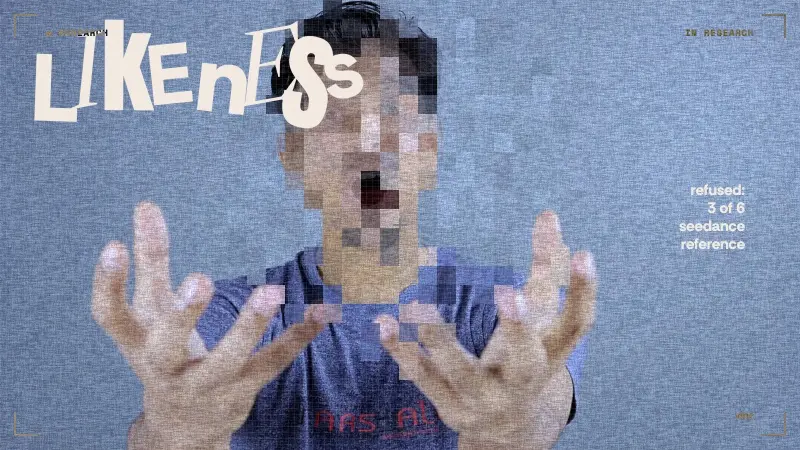
Likeness Rejections by Provider: When Video Models Refuse Your Fictional Characters
In our runs, Seedance 2.0 on fal refused an AI-generated character for real-person likeness on 3 of 6 reference-to-video and 2 of 6 image-to-video attempts, while Kling v3 Pro rendered all 6, and a faceless version of the scene passed 3 of 3. This article lays out every refusal we've logged by provider and shot type; six attempts per engine is not a refusal rate.
The Marty Supreme Marketing Campaign: A Case Study
How the Marty Supreme marketing campaign worked: a staged Zoom call, a $250 jacket, a blimp, the Sphere, and a run to $96M, A24's best in North America.

Music Licensing for Film, Explained: Sync and Master Licences, PROs, Cue Sheets, Library Music and AI
Music licensing for film means a sync licence for the song and a master licence for the recording, priced by term, territory and media. Fees and cue sheets.
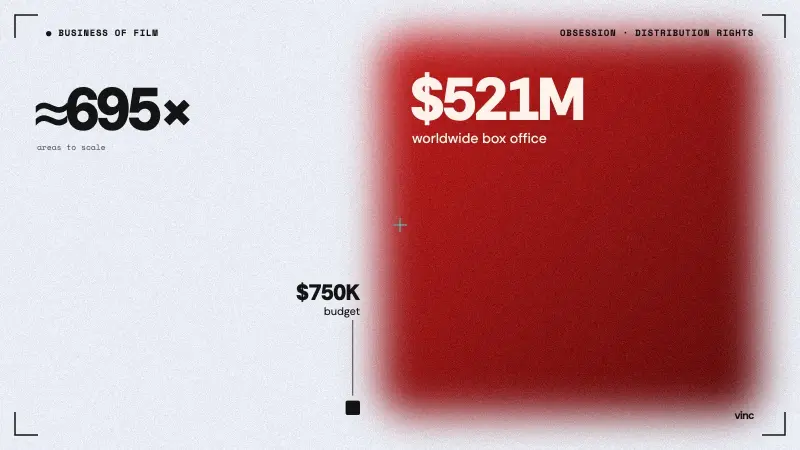
Obsession Movie Budget and Box Office: How a $750K Creator Film Sold Its Distribution Rights and Earned $521M
Obsession's reported budget was $750K and it grossed $521.3M. How its distribution rights sold to Focus, and when it reached home video, Peacock and Netflix.
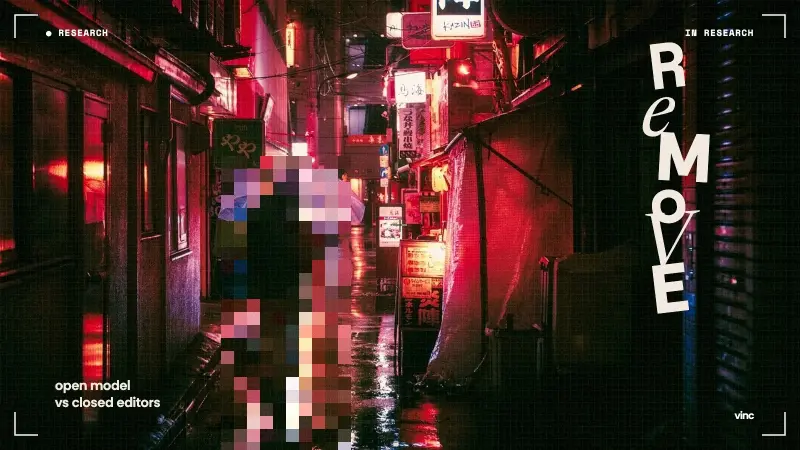
Open Removal Models vs Closed Video Editors: A Three-Clip Bake-Off
On three clips, the open ROSE model removed people and their shadows while leaving a burned-in graphic intact, and the closed Kling editors either re-framed, re-graded or removed the wrong person. Pasting any editor's result back only inside the object's region cut change outside it to zero; this is three clips, one run per method.

Previs, Techvis, Stuntvis, Postvis and Virtual Production, Explained
Previs (previsualization) is a collaborative process that makes preliminary versions of shots, mostly in 3D. How it differs from techvis, stuntvis and postvis.
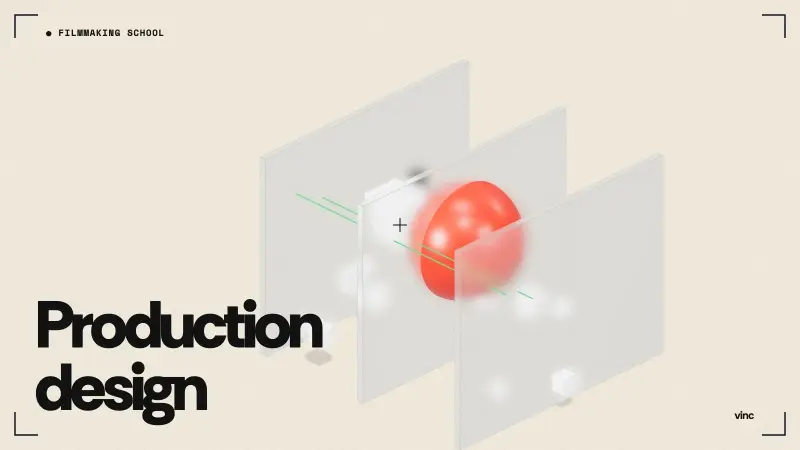
Production Design Terms Explained: Designer, Art Director, Set Decorator, Props, Swing Gang and Backlots
What is production design in film? The creation of a film's physical world: who designs, builds, dresses and props it, plus backlots, palettes and Oscars.
Relighting Gaussian Splats: A Cheap Browser Approximation, and Why the Open Research Mostly Can't Ship
We relit two Gaussian splat scenes in Chrome using normals estimated from each splat's shape. It took 23 to 65 ms per light and looked like a colour grade rather than a moved light. Then we checked the licences of the open relighting methods: most of those that work on ordinary footage are research-only or GPL, which leaves relighting rendered frames as the commercially licensed route.
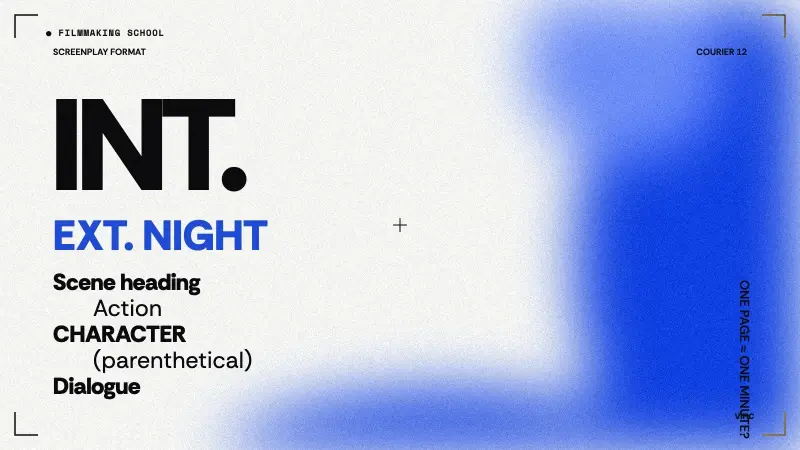
Screenplay Format Explained, With an Example: Elements, Margins, Page Counts and Revision Colours
Screenplay format, with an example scene: Courier 12-point, a 1.5-inch left margin, every element on the page, page-a-minute data and revision colours.

Shooting a Short Film: A Sourced Checklist from Script to Festival
Releases, union paperwork, permits, insurance, crew, schedule and festival delivery each have their own rules and lead times, set by offices that publish them. This checklist pulls those rules from FilmLA, New York's film office, Film London, SAG-AFTRA, ScreenSkills and the 2027 submission pages of Sundance, SXSW, Berlinale, Clermont-Ferrand and the Academy.
Sound Design Explained: Designers, Editors, Mixers, Layers, Worldizing and Dolby Atmos
What is sound design in film? Who designs, edits and mixes a soundtrack, the layers it's built from, how the lightsaber was made, and what Atmos means.
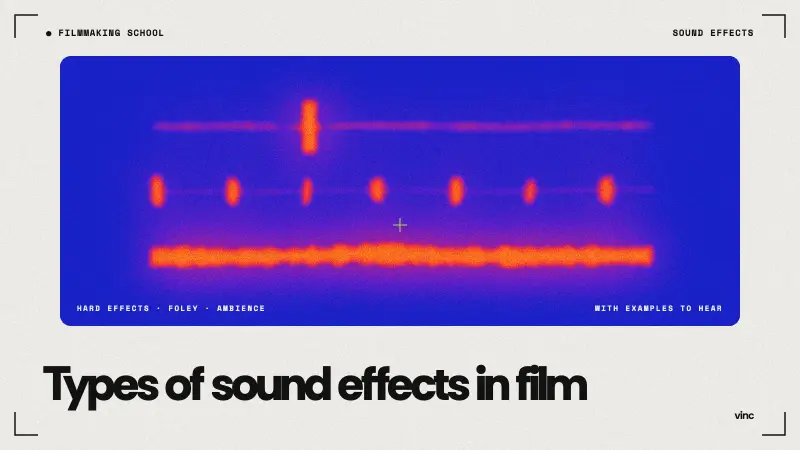
Types of Sound Effects in Film, With Examples to Hear
The types of sound effects in film, from hard effects and Foley to ambience, walla, room tone, designed sounds and stingers, each with a recording to hear. Plus Jack Foley, how famous sounds were made, and how effects sit in the mix.

Gaussian Splats vs Meshes for Browser Previs: Frame Times, Memory and Load on an M5 MacBook
We timed four Gaussian splat scenes, from a 177,000-splat object to a million-splat captured set, against a 200-object three.js mesh scene in Chrome on an M5 MacBook. Three of the four held 60 fps, and the results suggest that how much of the screen the splats cover drives cost more than how many splats there are.
Story Structure Explained: Acts, Sequences, Beats and What the Research Measured
Story structure types compared: Aristotle, Freytag, Syd Field's three-act structure, sequences, Save the Cat's 15 beats, and what film data measured.
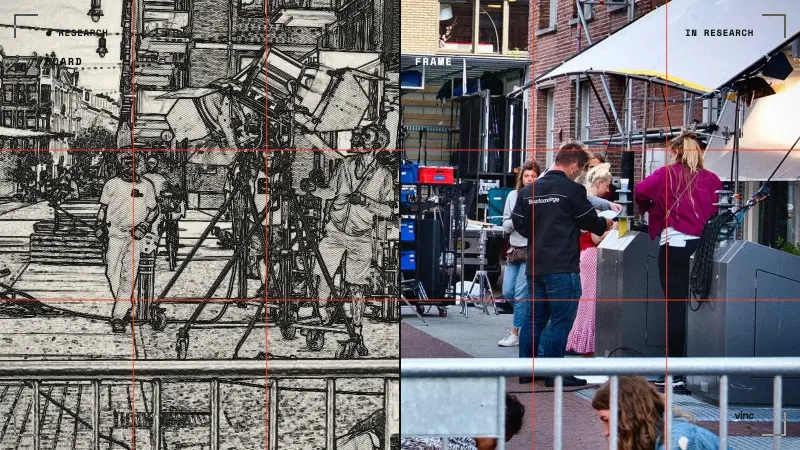
Using a Storyboard as the Layout Reference for AI Frames: What a Scored Test Showed
Frames written from a storyboard's read scored 33.0 out of 50 for staging, against 22.5 for frames written from the shot plan, but the gain wasn't uniform: the close-up was a clear win and the two-shot got worse. This article sets out the test, the rubric and the rules we took from it, and does not claim the result holds beyond three beats.
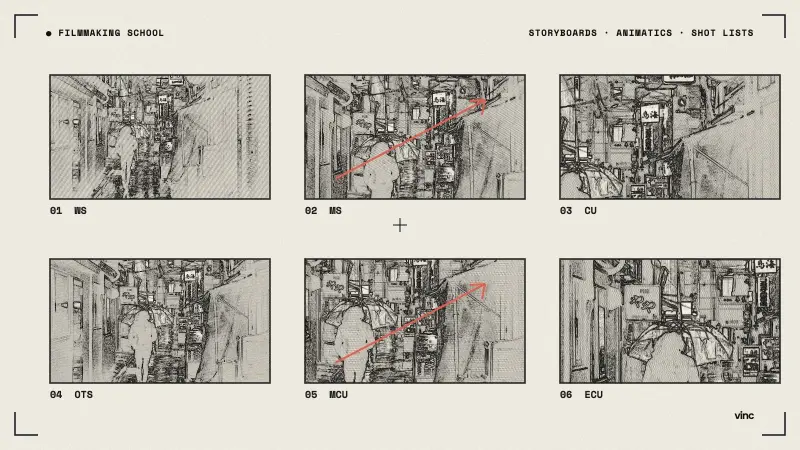
Storyboard vs Shot List: Storyboards, Animatics, Shot Lists and Overheads, With Examples
Storyboard vs shot list: a storyboard draws each shot in order, a shot list is the table you run the shoot day from. With a shot list example and animatics.
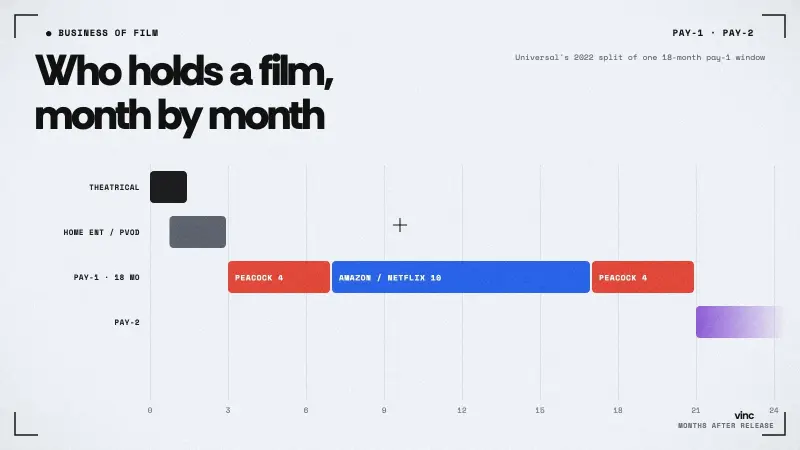
Streaming Licensing Deals Explained: Pay-1, Pay-2 and the Output Deals Behind Them
Streaming licensing deals rent a film to a streamer for a set window; they don't sell it. How pay-1 and output deals work, and what Netflix reportedly pays.
Text to Video vs Image to Video: Quality, Consistency, Control and Price, Per the Vendors
Text to video vs image to video, per Google, Kling and Runway docs: when to use each, the quality and consistency trade-offs, prices and a workflow.
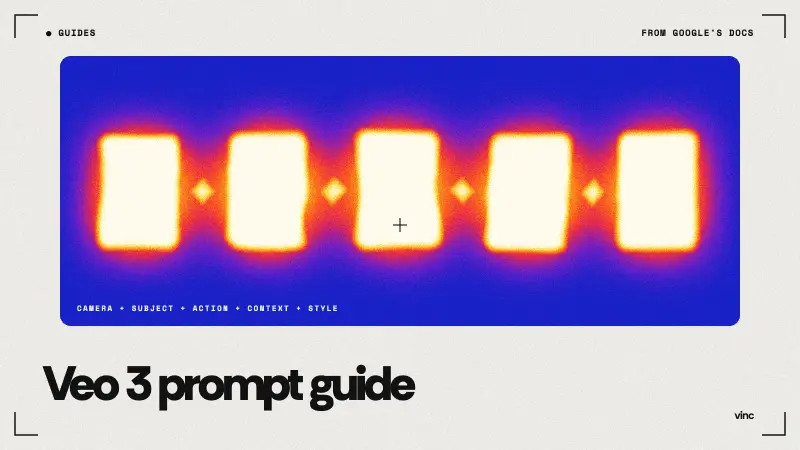
Veo 3 Prompt Guide: Google's Formula, Dialogue Syntax, Camera Terms and Templates
A Veo 3 prompt guide built only from Google's documentation: the five-part formula, dialogue and audio syntax, camera terms, negative prompts and templates.

Vertical Dramas by the Numbers: ReelShort, DramaBox and the Economics of 1-Minute Episodes
Vertical dramas are scripted series shot for phones in 1–2 minute episodes, sold on apps like ReelShort. Short-drama apps made $2.98bn in in-app sales in 2025.
The Studio Vendor Questionnaire, Applied: What 12 AI Video Models Publish on Training Data, Indemnity, Hosting, Retention, Provenance and Weights
We checked the published terms, cloud docs, model cards and licence files for twelve current video models against six questions a studio's legal and security teams ask, and graded each answer Documented, Partial or Not found. Seven makers publish an IP indemnity, but only one names its training sources, and only one gives a retention period for stored inputs; a copy-paste questionnaire closes the gaps.
Visual Styles and Genre Looks: Noir, Vérité, Found Footage, Anime, Stop-Motion and the Composition Rules Behind Them
Each style label in a prompt stands for specific choices of lighting, camera, frame count and staging, set by films such as Double Indemnity, Primary, The Blair Witch Project, Astro Boy and Coraline. This article breaks each style into those choices, covers the composition rules behind them including the weak evidence for the golden ratio, and sets out what the official guides say about naming styles, studios and living artists.
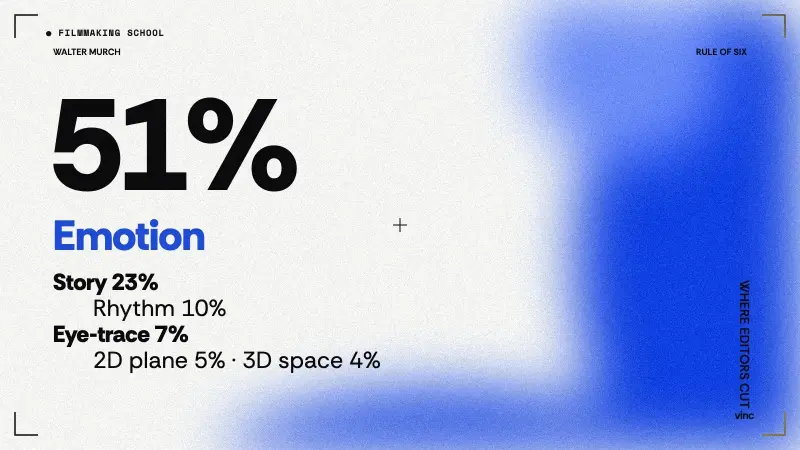
How Editors Decide Where to Cut: Walter Murch's Rule of Six and the Research on Cuts
Walter Murch's Rule of Six ranks six criteria for a cut, giving emotion 51%, more than the other five combined. Eye-tracking research shows why cuts go unseen.
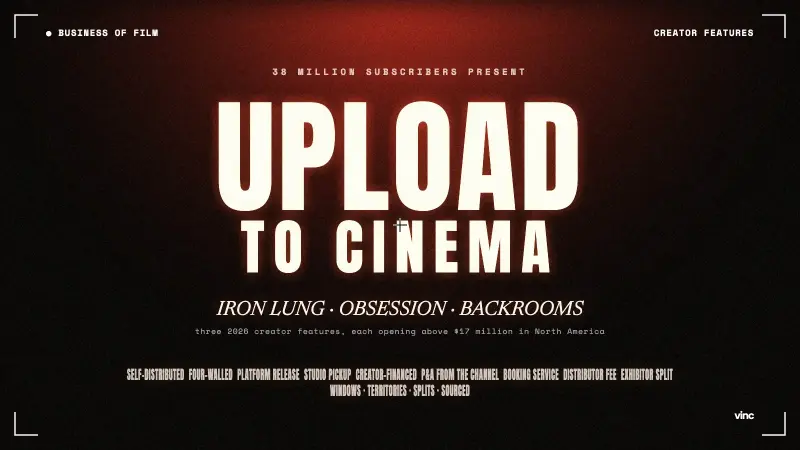
From YouTube to Cinemas: How YouTuber Movies Get Released in Theaters, With the Numbers
How YouTuber movies get into theaters: self-distribution (Iron Lung), a studio deal (Backrooms), festival sales and crowdfunding, with budgets and grosses.